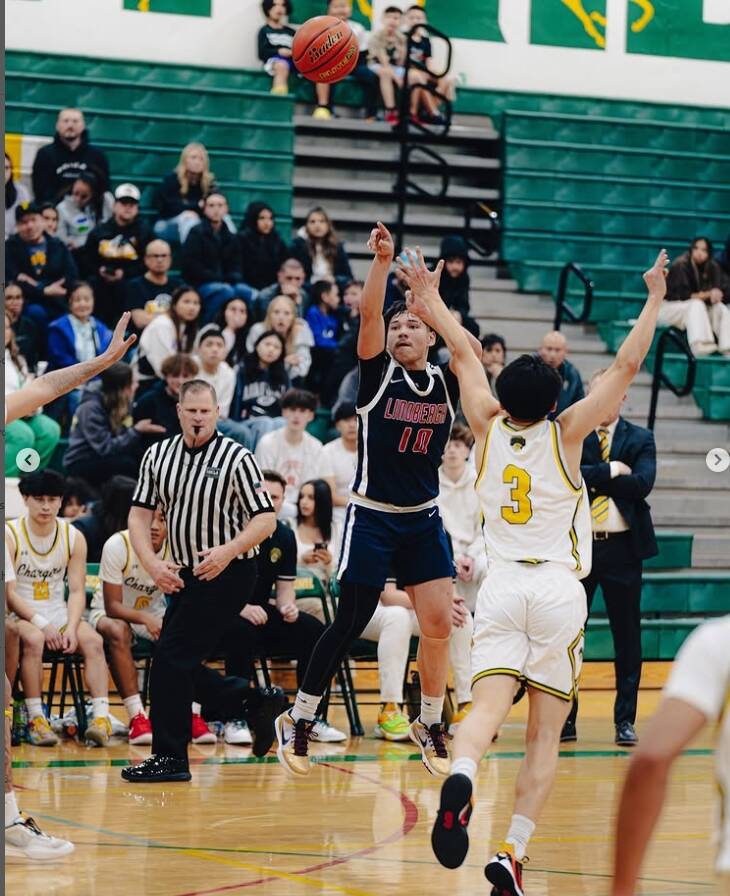
Every crew of three has its unique chemistry. By the time the fourth quarter rolls around, the score is tight, the clock is winding down, and the crowd is alive, you can almost predict how each official will respond. Over the years, I’ve noticed three distinct personalities emerge on the floor—and understanding them can make the difference between a well-officiated game and chaos.
1. The Disappearing Ref
We all know this one. Everything is calm early in the game, they move with confidence, make calls in rhythm, and then… the fourth quarter hits, the score tightens, and the crowd is loud. Suddenly, they seem to vanish.
They’re not gone physically—they’re still on the floor—but their engagement drops. Ball screens aren’t being monitored as closely, off-ball fouls are missed, and their energy is almost… absent.
Why this happens: Psychologists call this stress-induced withdrawal. Under high-pressure conditions, some people unconsciously retreat to protect themselves from criticism, noise, and decision-making stress. It’s not laziness; it’s a natural coping mechanism.
Example Story: Early in my officiating career, I was working a high-profile game. With two minutes left and the home team down by two points, the crowd was loud, the coach was shouting, and the fans were fully engaged. One of our crew members almost completely ignored the action on the weak side, where many off-ball fouls had occurred, and we had previously discussed the need to address them. His eyes were wide, and he looked uncomfortable; it was as if he had checked out, only occasionally glancing over to his primary area. Meanwhile, the other two of us stepped up, knowing that every movement mattered in such a critical moment. After the game, we held a debriefing, and the official admitted they “felt the pressure and froze.”
Lesson: Recognize the disappearing ref early. Compensate where needed, but also address it in pregame meetings. Build confidence in them before the high-pressure moments arrive.
2. The Reactive Ref
Opposite the disappearing ref is the one who reacts to everything. Crowd noise spikes? They suddenly feel they must do more. Close call in the last minute? They whistle aggressively. Every off-ball shove, every touch of the jersey, every slight bump—they’re on it.
This ref is energetic, visible, and can shift momentum in a hurry—but sometimes it’s too much of a good thing. They can inadvertently influence the game, give the perception of bias, or disrupt the flow of play.
Why this happens: Psychologists link this to arousal and social facilitation theory. High-intensity environments stimulate people differently. Some thrive under noise, others shut down. The reactive ref is stimulated in a way that makes them feel they must assert control to match the environment.
Example story: I was officiating a very important conference game that would determine the direction of both teams as they approached the end of the season. These teams were rivals, so we knew the intensity would be high. Although the crew had worked together before, it had primarily been during lower-stakes games.
The reality of the situation hit me when the mood of the game changed. The crowd erupted after a last-second three-pointer, and one of the crew members began calling everything he could see—even minor hand-checks or incidental contact. Coaches shook their heads, players hesitated, and suddenly the tempo of the game shifted.
After the game, we discussed the importance of staying calm and allowing the game to breathe. While energy is good, excessive activity can create its own chaos.
Lesson: Reactive refs need guidance on pacing. Encourage them to trust the crew, pick their spots, and understand when restraint serves the game better than reaction.
3. The Balanced, Seen-and-Heard Ref
This is the type I identify with most. They are present, engaged, and set the tone early in the game. They aren’t reactive to noise, and they don’t disappear under pressure. Instead, they establish a quiet authority: they are seen when they need to be, heard when it matters, and otherwise allow the flow to run naturally.
This ref’s strength isn’t just skill—it’s psychological awareness. They understand the game environment, their crew dynamics, and their own tendencies. They can adjust energy levels, pace themselves, and subtly guide the crew without drawing unnecessary attention.
Example story: In a tight game, the crowd was deafening, and tensions were high. Our balanced ref had been vocal and confident from the tip-off, establishing cues for rotation, communication, and coverage. When a late-game tussle broke out off the ball, the crowd erupted. He blew the whistle calmly, communicated clearly with the crew, and the game immediately settled. Meanwhile, the disappearing ref was quietly ready to re-engage, and the reactive ref instinctively waited, trusting the process. That is leadership without ego.
Lesson: This approach requires preparation, self-awareness, and setting the tone early. By being intentional, you can influence both the crew and the game environment in positive ways.
Psychological Insights: Why Refs Respond Differently
Sports psychologists explain that high-pressure situations trigger fight, flight, or freeze responses. In officiating terms:
-
Freeze = Disappearing Ref: Under stress, cognitive load increases, and some refs unintentionally reduce engagement to cope.
-
Fight = Reactive Ref: Noise and chaos trigger a need to assert control, sometimes excessively.
-
Flow = Balanced Ref: Experienced refs train themselves to maintain focus, regulate arousal, and communicate effectively.
Awareness of these tendencies allows crews to plan rotations, cues, and communication strategies. Pregame talks aren’t just about mechanics—they’re about understanding human behavior under stress.
Funny But True Observations
-
The disappearing ref is often found staring at the scoreboard or nodding at the scorer’s table during critical plays.
-
The reactive ref might call a foul on a player who hasn’t even touched anyone yet—but at least the crowd loves the attention.
-
The balanced ref quietly rotates into position, signals correctly, and the only people who notice are other officials or coaches—they’re too busy watching the game.
Learning Points for All Officials
Know your personality type and how it behaves under pressure. Self-awareness is your first tool.
Identify your partners and adjust your style to complement them. Compensate for disappearing refs, temper reactive refs, and support balanced refs.
Set the tone early. Communication from the tip-off reduces chaos later.
Use postgame debriefs wisely. Honest, respectful feedback strengthens the crew.
Trust the process. Off-ball coverage, weak-side help, and communication aren’t optional—they’re essential, even when personalities differ.
Final Thought
Every crew has a mix of personalities. The disappearing, reactive, and balanced refs aren’t good or bad—they just bring different responses to pressure.
The mark of a great official—and a great crew—is recognizing these tendencies, adjusting strategically, and keeping the game fair, flowing, and safe for players.
Because at the end of the day, it’s not about ego. It’s about the crew, the game, and the players.
If you have a topic you'd like us to cover, or if you're interested in writing for us, don't hesitate to get in touch with us at sarge@coracademyofficiating.com
Add comment
Comments