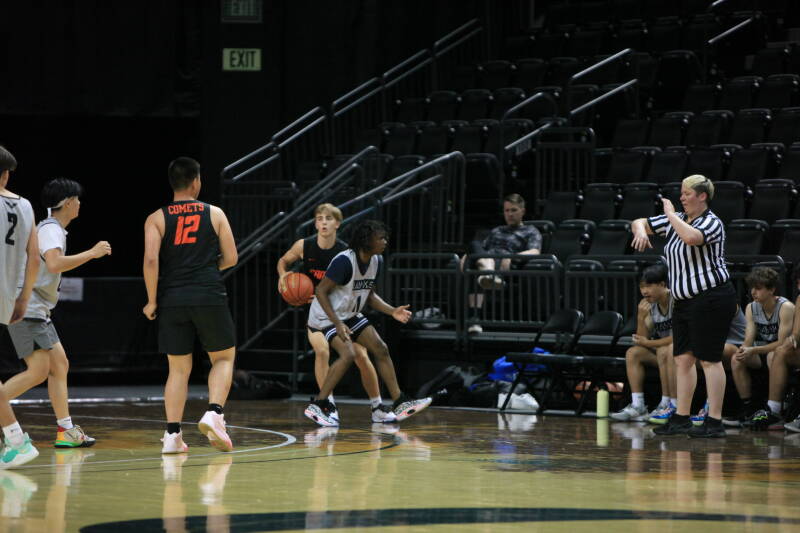
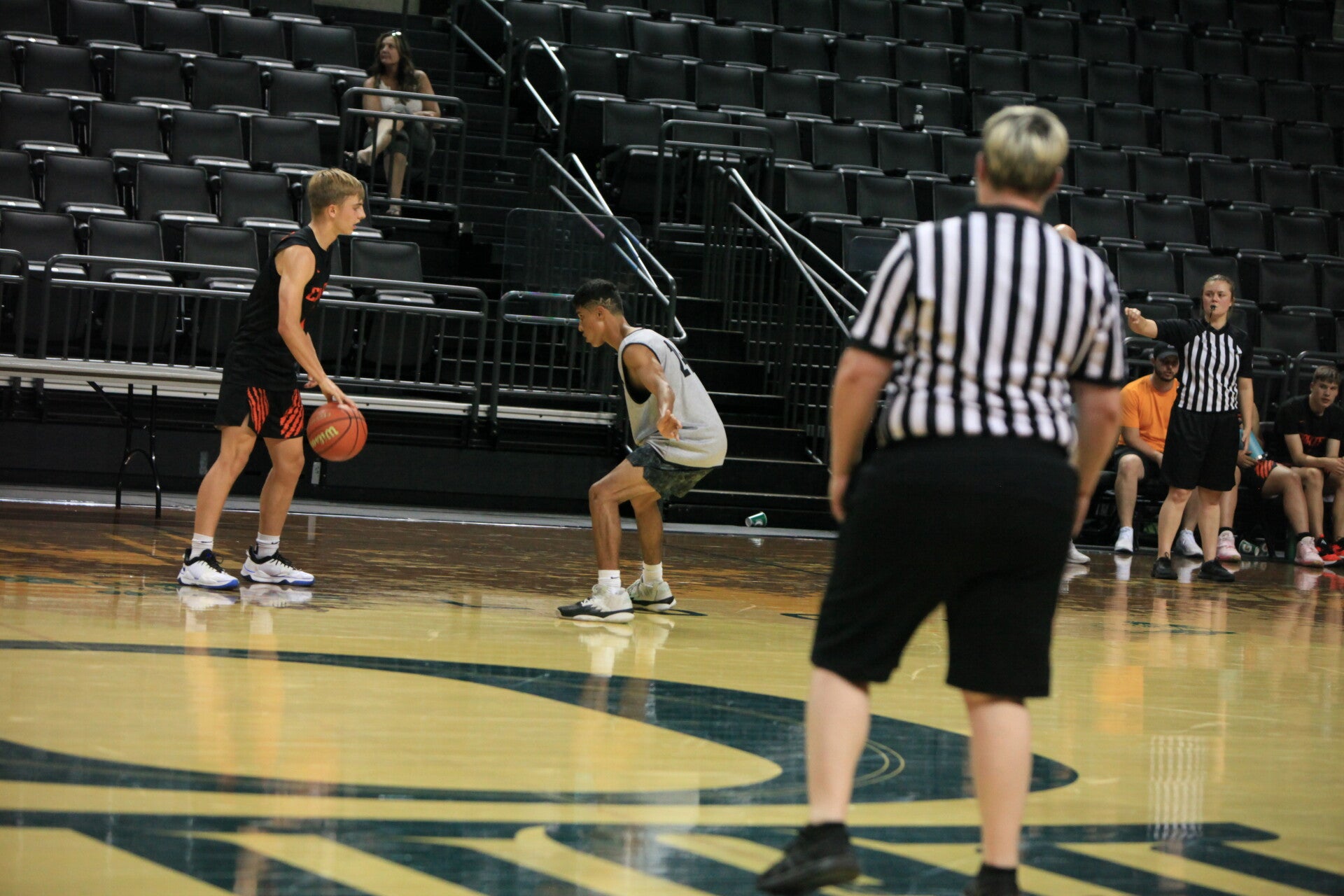
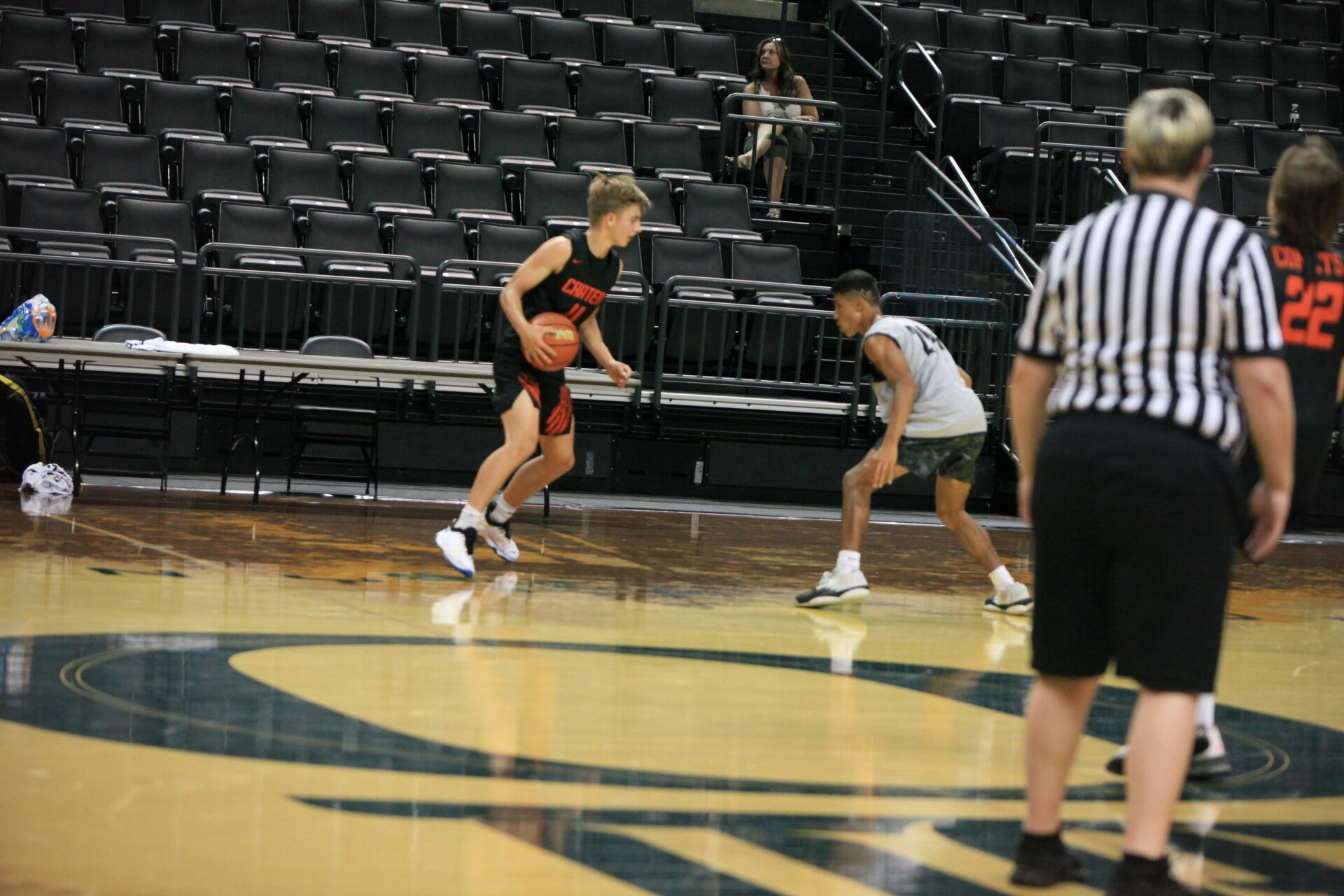
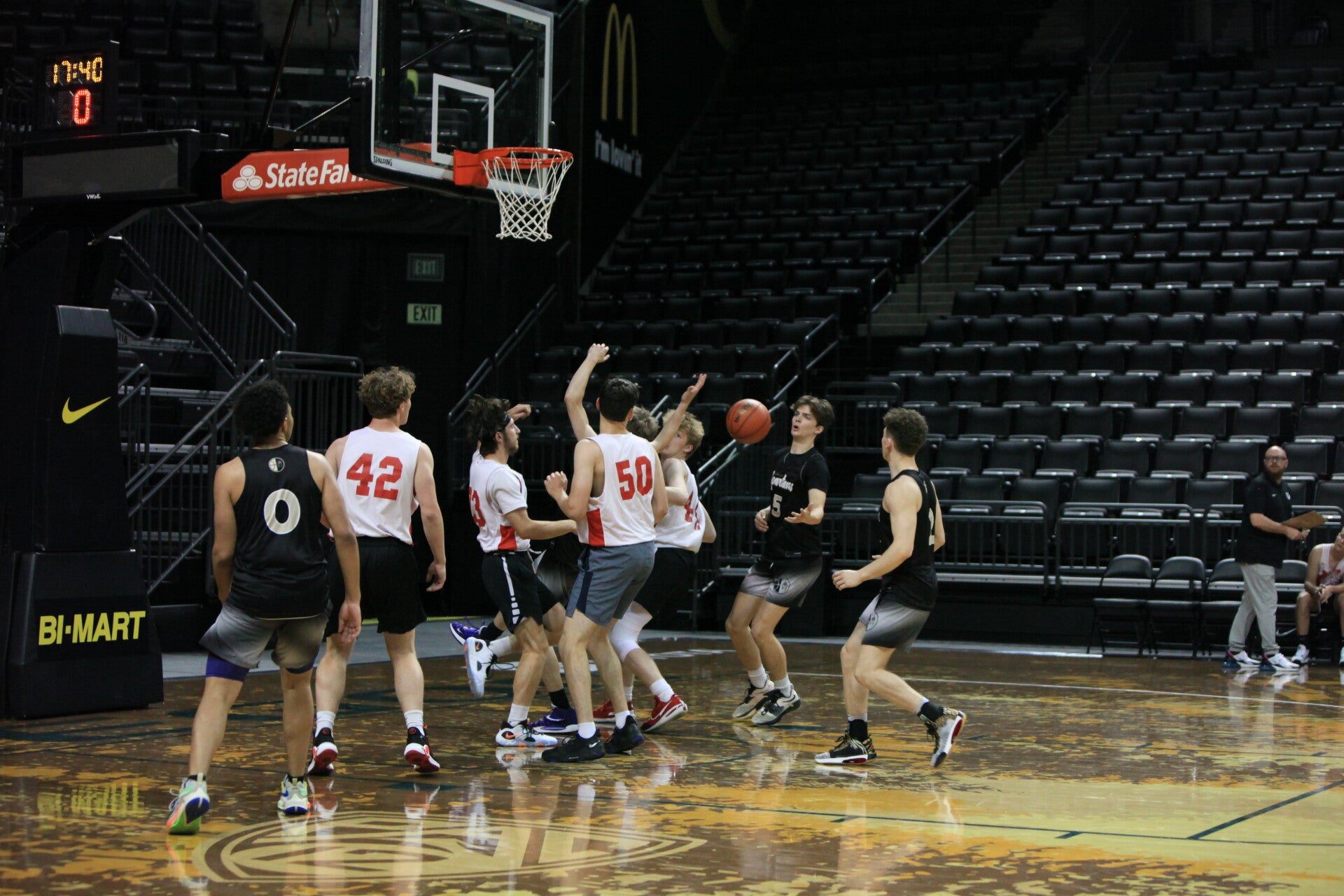
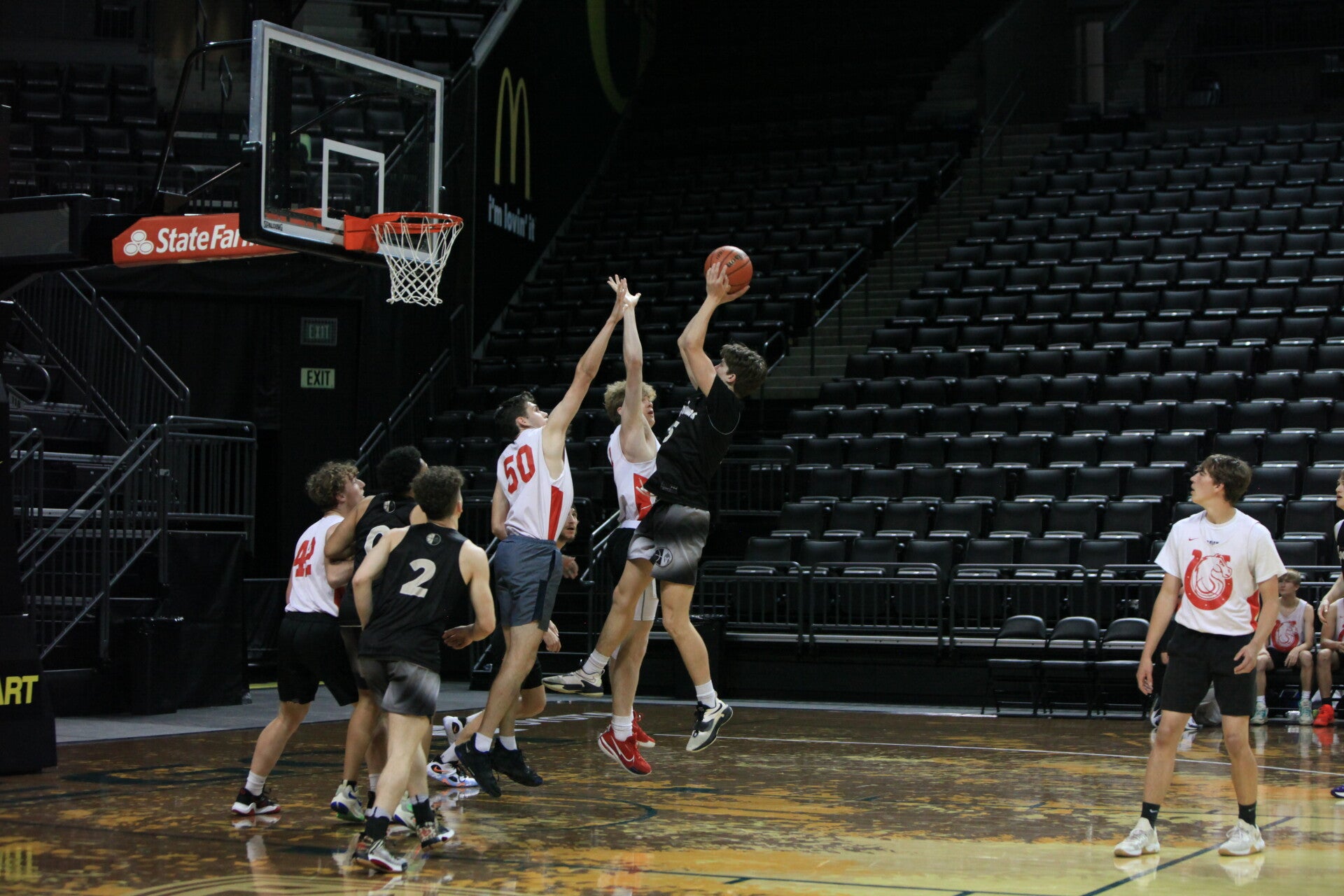
Summer in high school basketball officiating is an interesting time. The gyms become quiet, the crowds disappear, and many referees who were active during the winter months suddenly vanish. However, this season also brings the emergence of officiating camps, which provide an opportunity to refine skills, learn new techniques, and prepare for the high-pressure games that await in the fall.
Each year, I notice a common trend: some of the biggest complainers about challenging games, last-minute chaos, or difficult assignments—often those who feel they deserve high-profile games—are the same referees who completely skip summer camps.
Let’s explore why this happens and why these camps are more important than many realize.
Reasons Some Referees Avoid Camps
1. Cost and Time Commitment
Camps can be quite expensive. Tuition fees typically range from $200 to $500, not including additional costs for travel, lodging, and meals. Additionally, long court sessions in the summer heat can be tiring. For many referees, summer is often the only opportunity they have to relax or take a real vacation, which makes officiating camps a competing demand on their personal time.
2. “I Already Know Everything” Syndrome
Some referees believe they have sufficient experience and have mastered the necessary mechanics, signals, and game management skills. As a result, they may view attending a camp as unnecessary and prefer to skip it rather than invest their time and money.
3. Doubts About Value
Unfortunately, not all camps deliver on their promises. Poorly organized or short-lived camps can feel more like a "money grab" than a genuine learning experience, leading some referees to label them as scams. It’s important to remember that not all camps are created equal.
4. Physical Readiness
Some referees may have the desire to improve, but are physically out of shape for the demands of a camp. In such cases, it can be challenging to fully engage, as the intensity of the camp cannot be avoided.
Why Camps Actually Matter
Participating in training camps can significantly enhance your growth as an athlete, often more effectively than individual offseason workouts. Based on my experiences and observations, here are a few key insights:
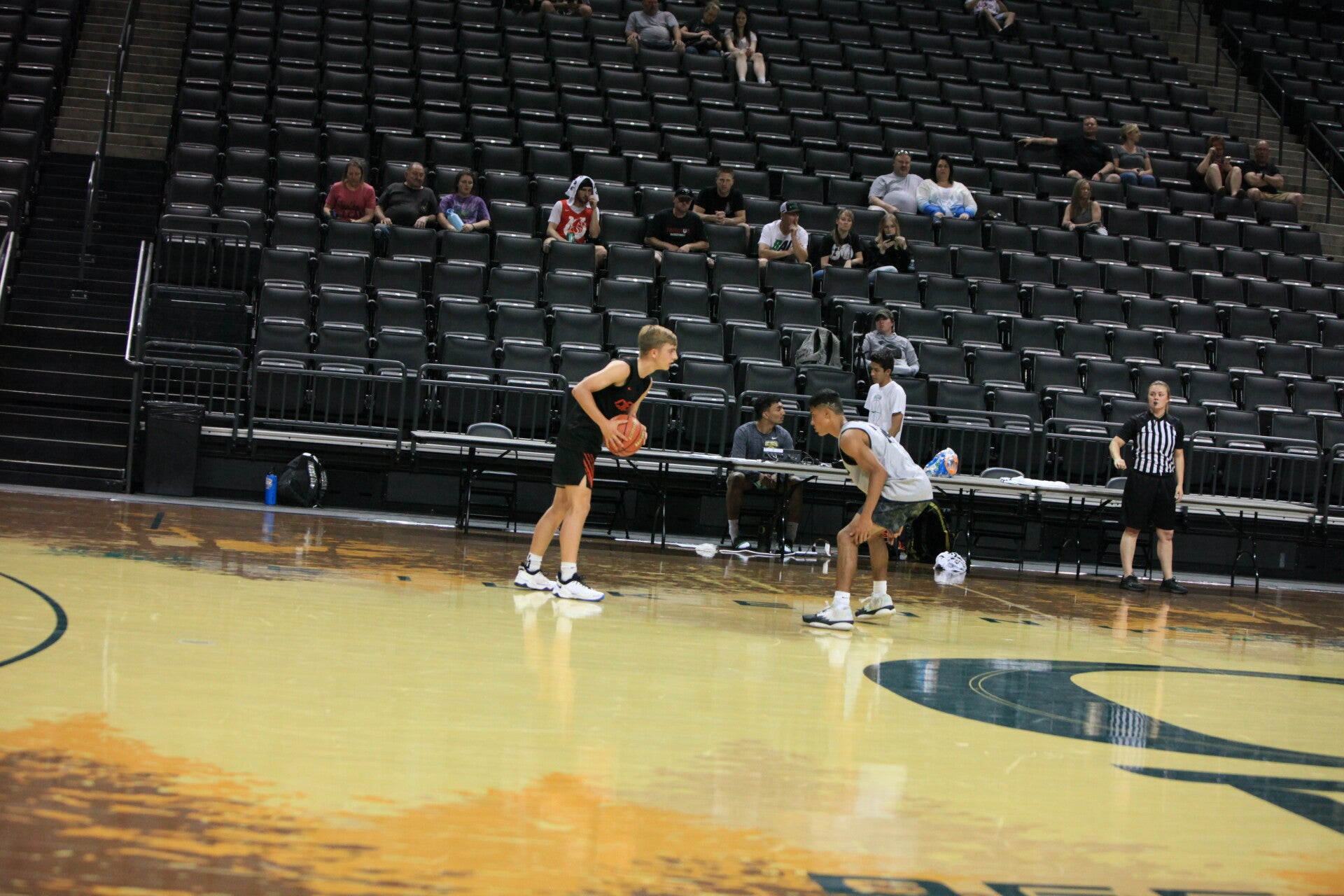
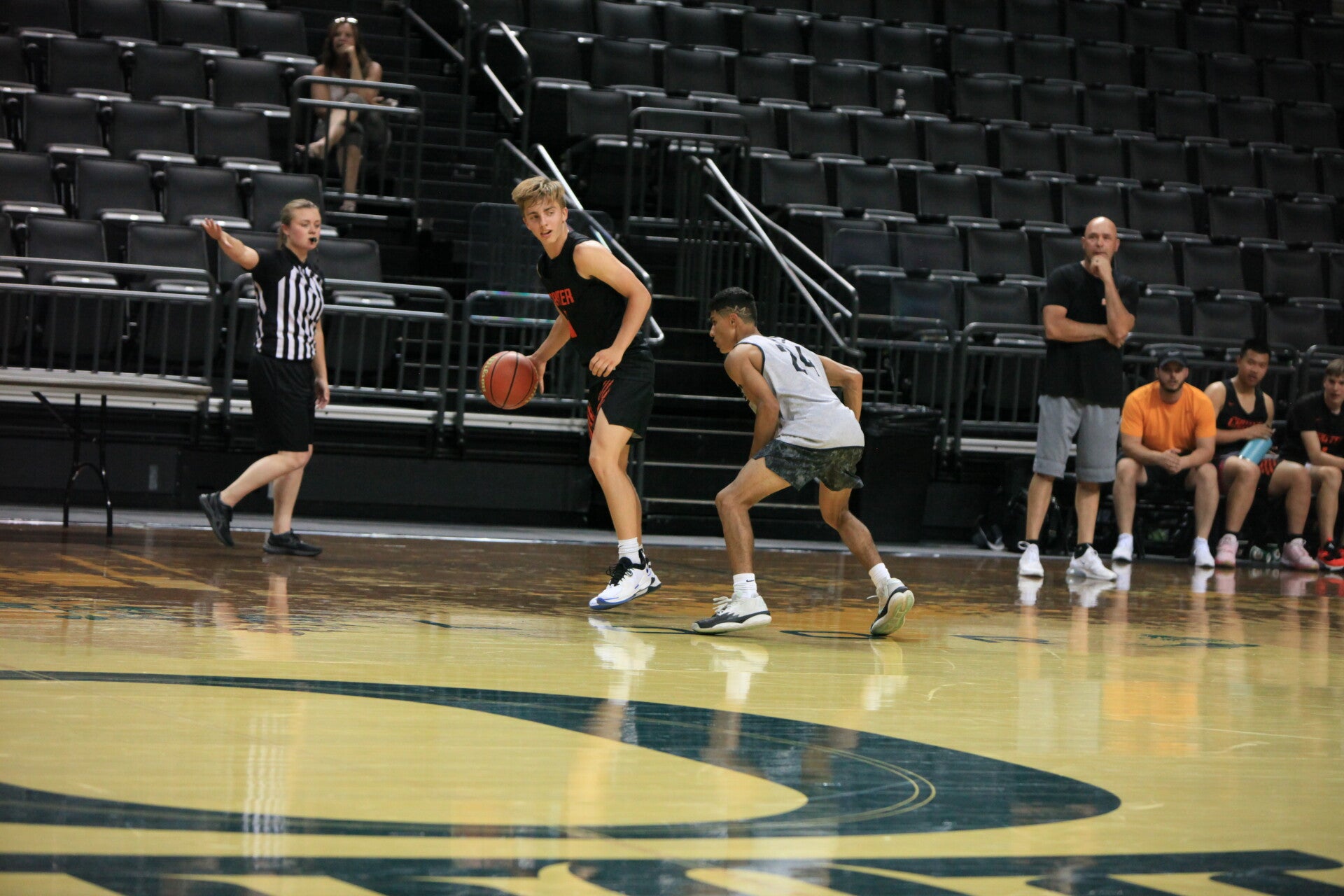
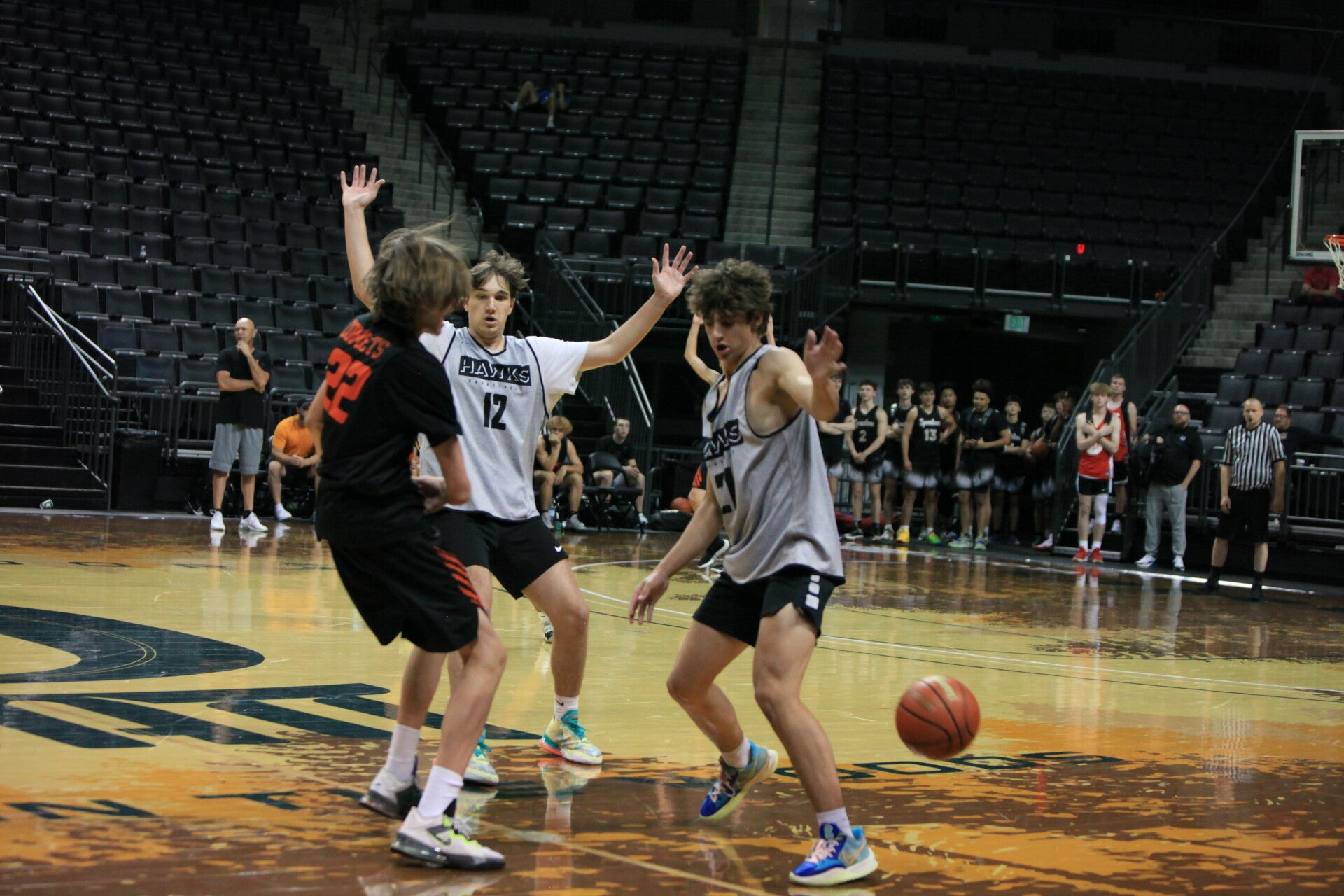
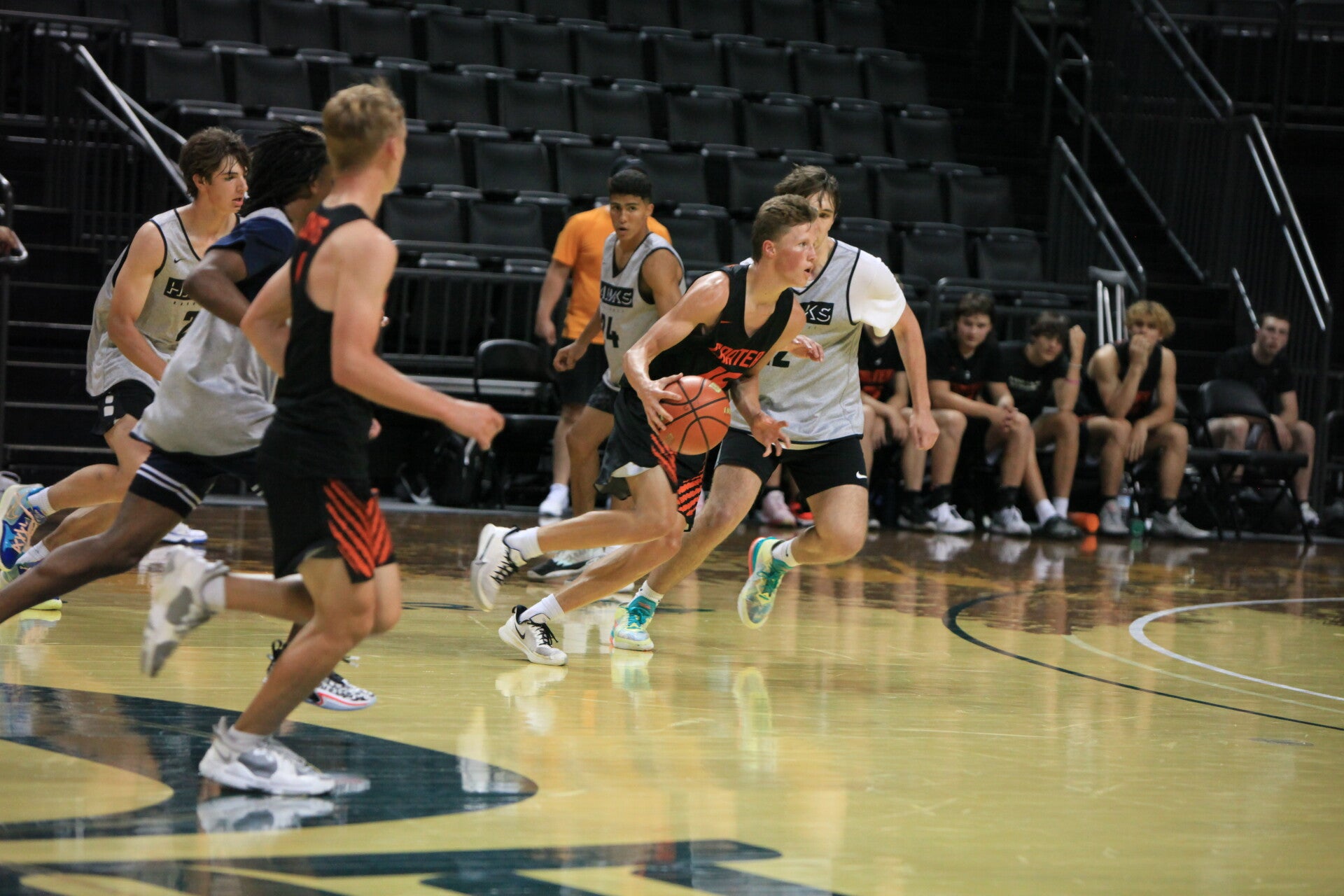
1. Adapting to New Environments: Summer camps provide an ideal opportunity to acclimate to various game-day conditions, including the pressures of performance, the dynamics of high-energy crowds, and the absence of rushed playing rotations. This setting allows you to take a step back, analyze your gameplay through film study, and refine your mechanics in a focused manner.
2. Importance of Communication with Assigners: Maintaining transparency with your assigner is crucial. Experienced referees often communicate which camps they will attend and the corresponding dates of their unavailability. This practice not only builds trust but also demonstrates your commitment to professional development within the field.
Participating in camps can play a crucial role in fostering both personal and professional development, making them a vital component of any offseason training program.
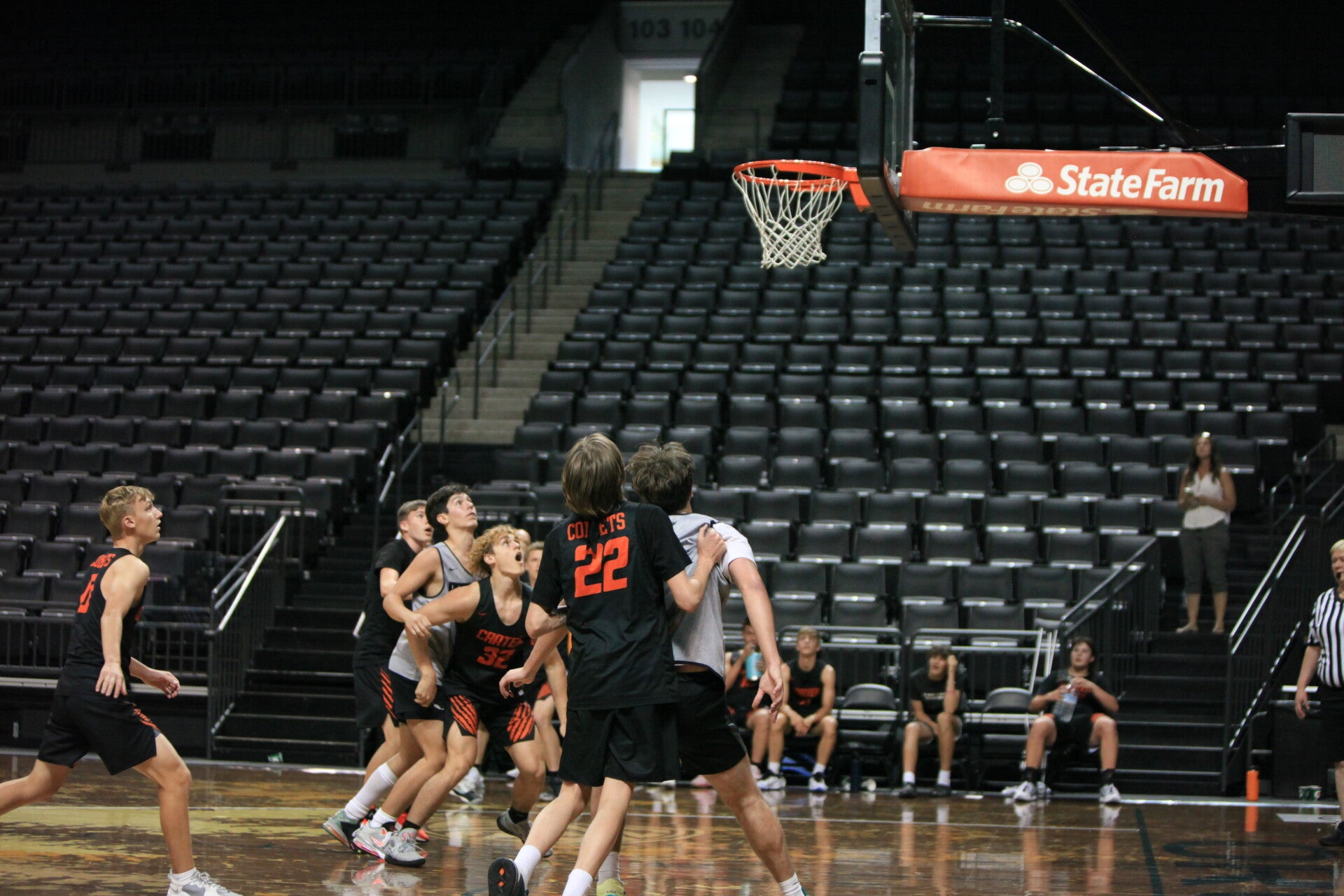
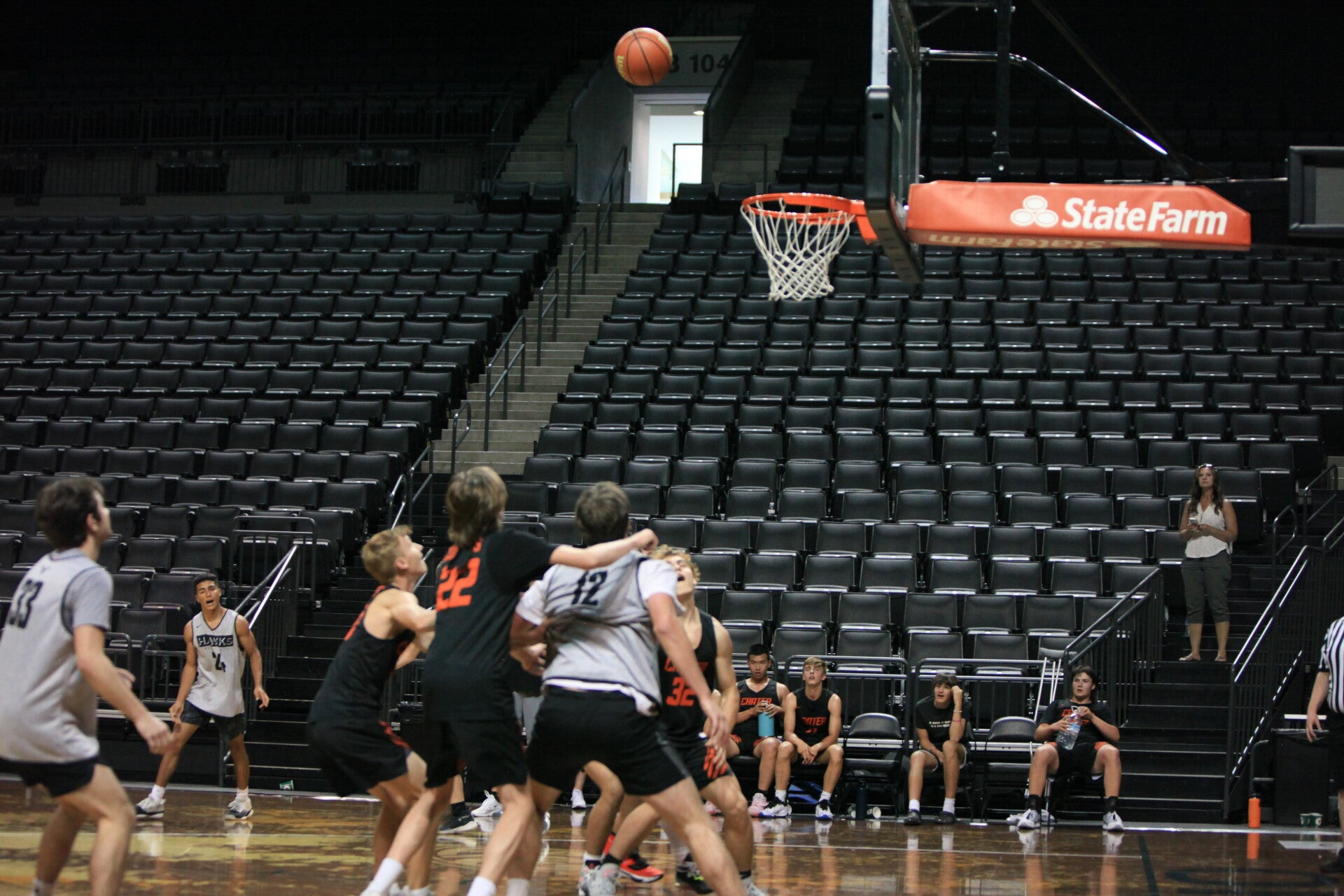
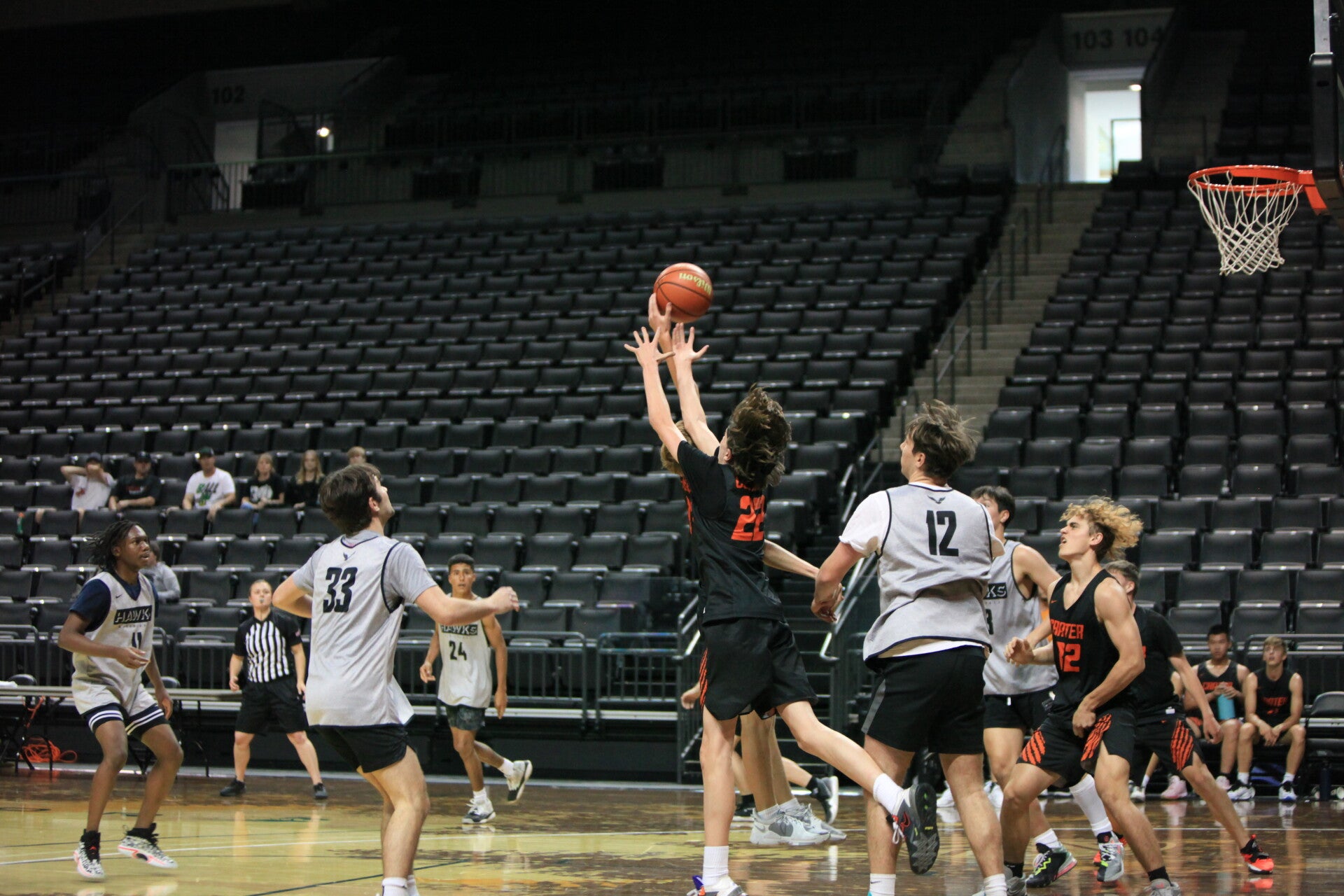
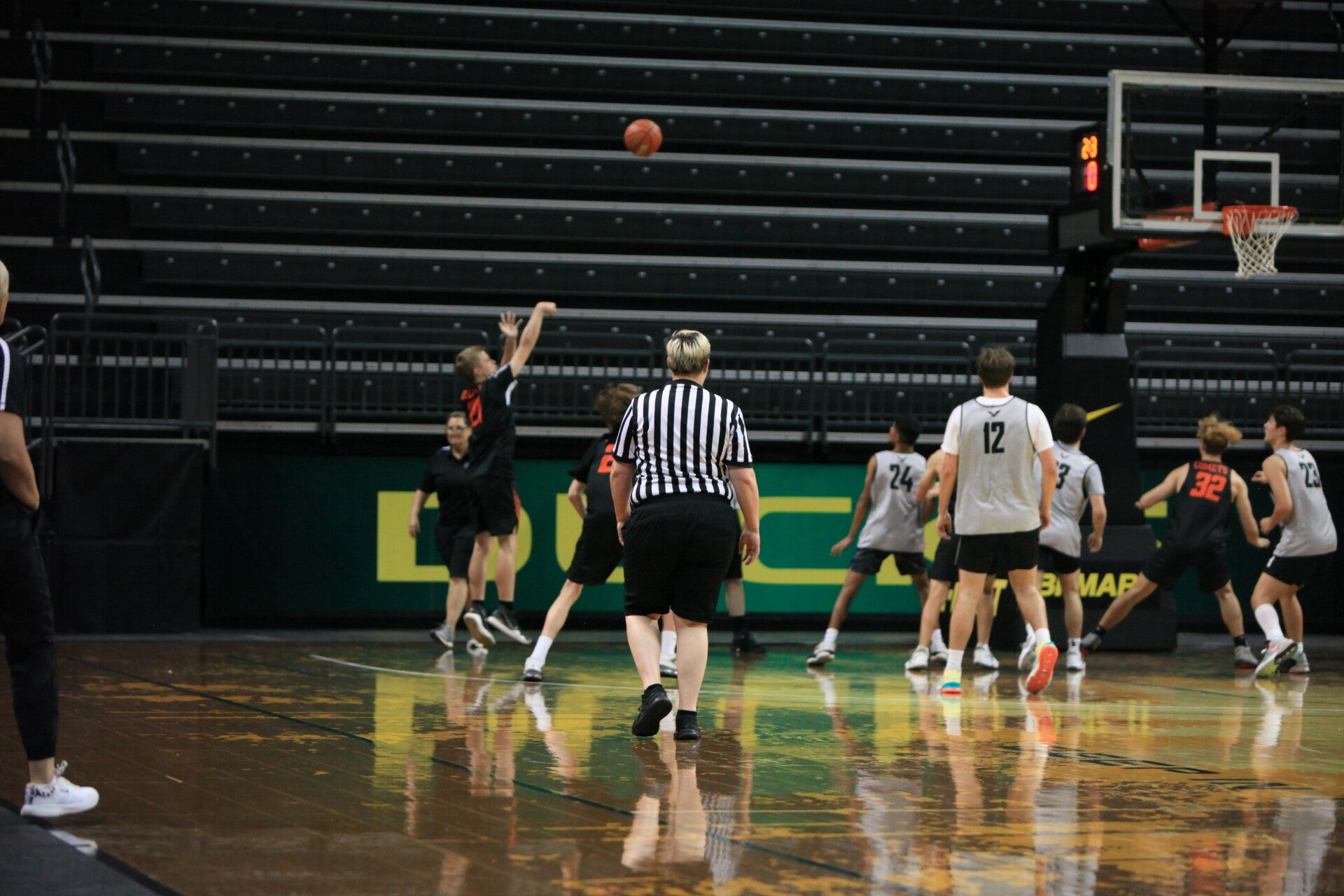
For instance, during a regional college-style camp, the instructor emphasized the importance of repetition by having participants repeat the same rotation three times. Initially, this approach may cause some frustration, as one might feel proficient in the skill at the outset.
However, by the end of the practice, many participants, including myself, found that the repetition led to a deeper understanding of the call in a live-action context, ensuring that the knowledge remained fresh and applicable throughout the entire fall season.
Additionally, I attended a small yet rigorous local high school camp, where an evaluator I deeply respect offered valuable advice.
He stated, “You don’t need to be the fastest referee, but you must see the entire floor first.” This insight significantly changed my perspective on 3-person mechanics, positively impacting my performance for the remainder of the season.
Overall, these experiences highlight how camps can enhance skills and reinforce important lessons in a practical setting.
Adding Visibility and Building Respect
Summer isn’t just about improving your mechanics; it’s also about being visible and invested in the game.
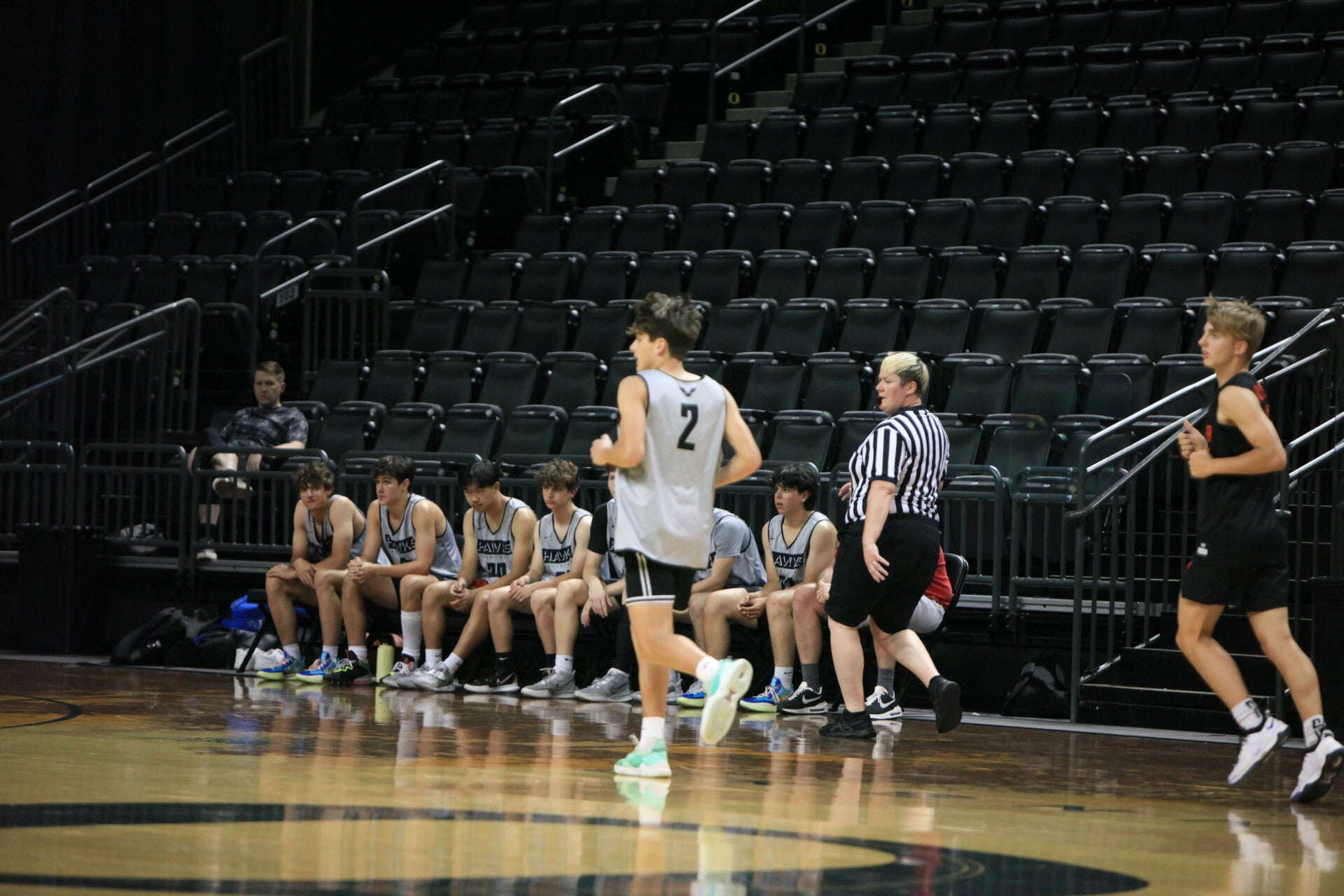
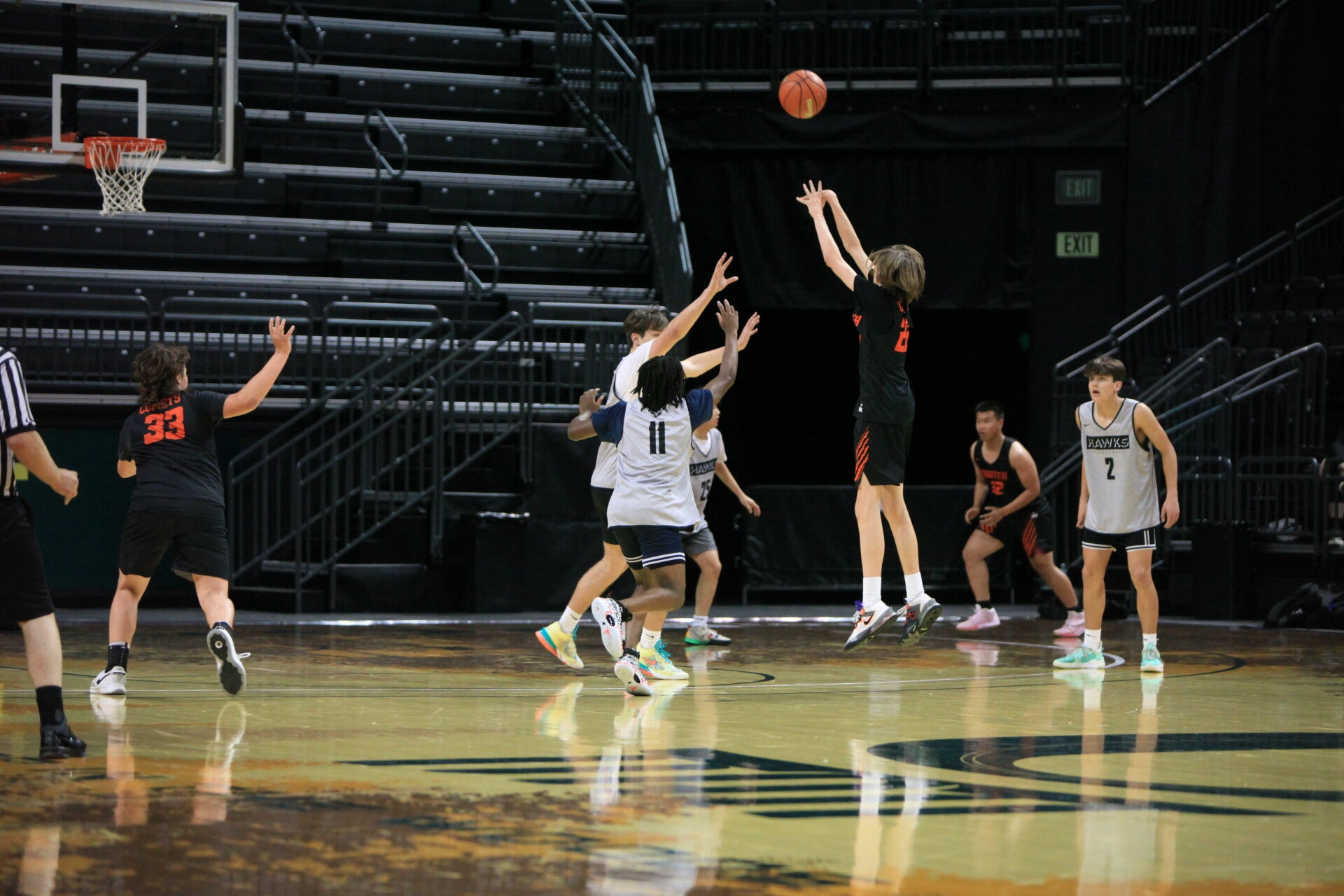
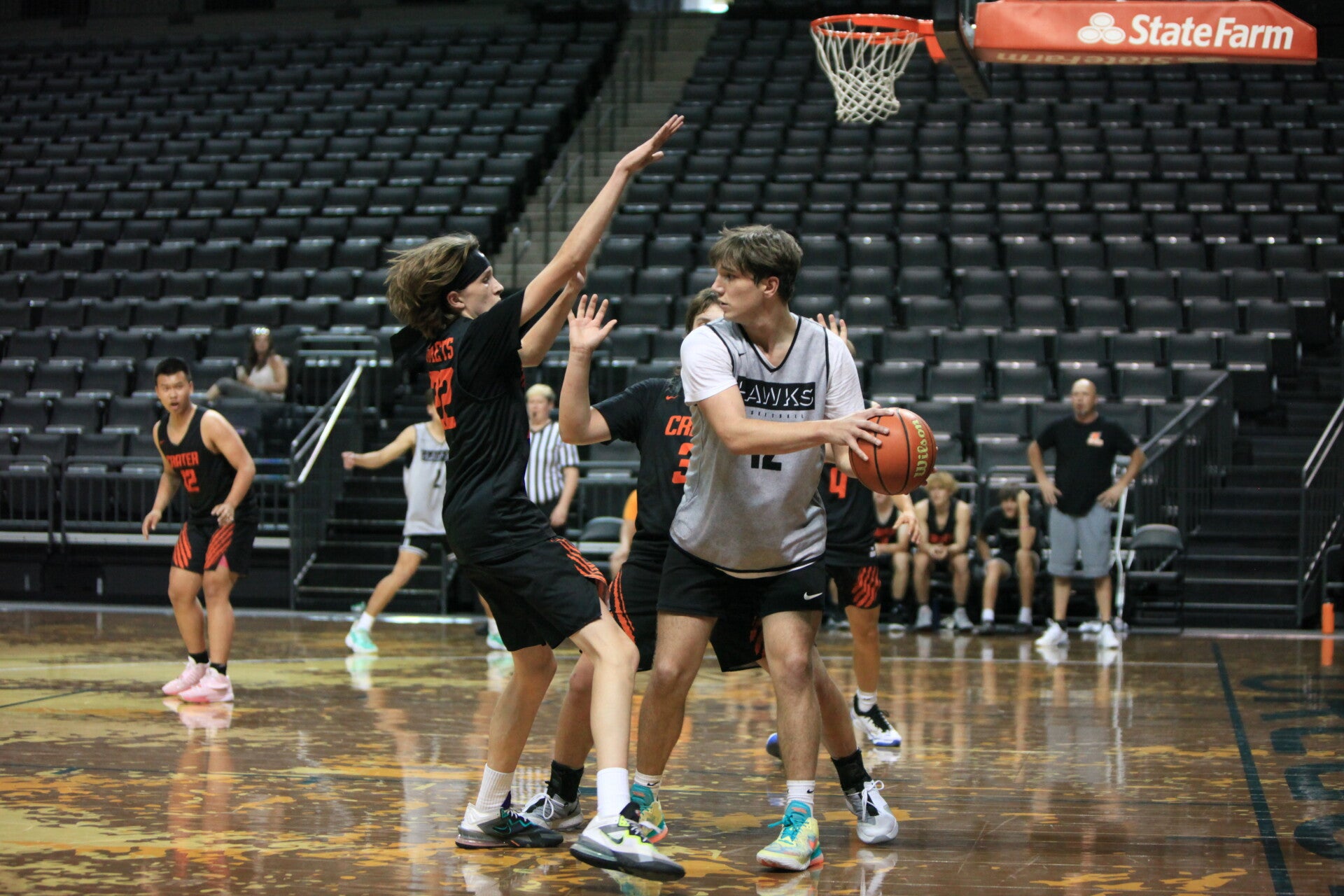
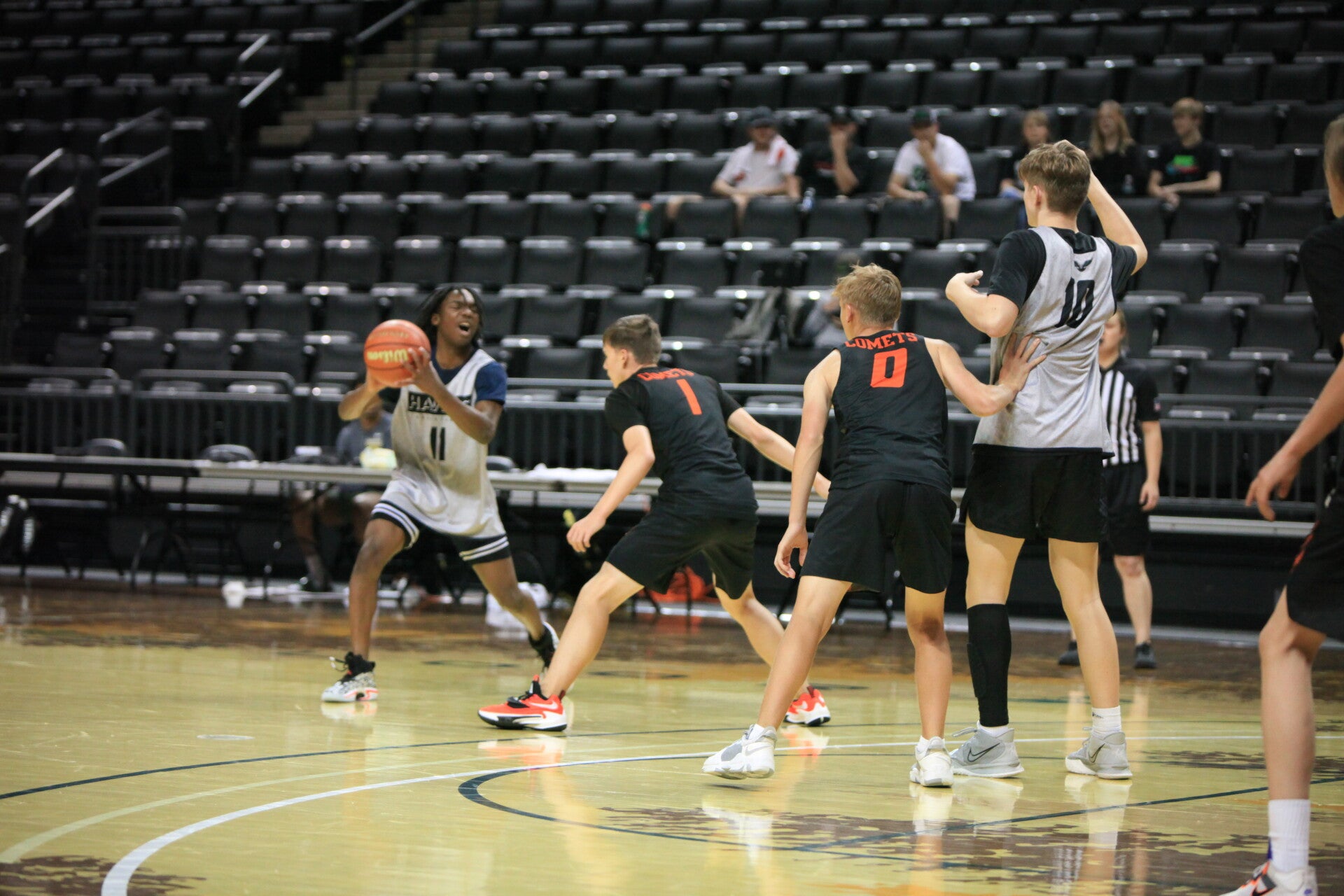
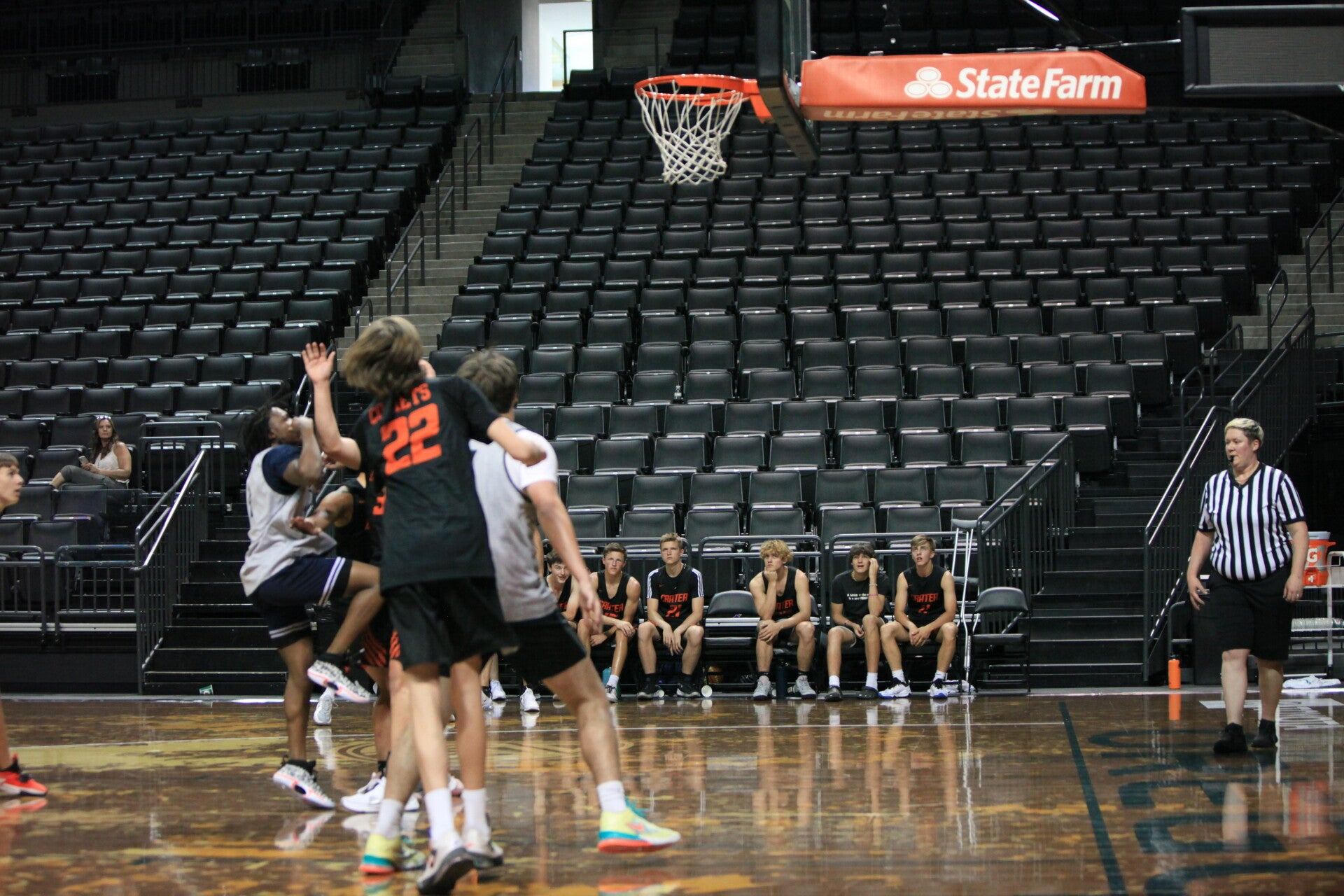
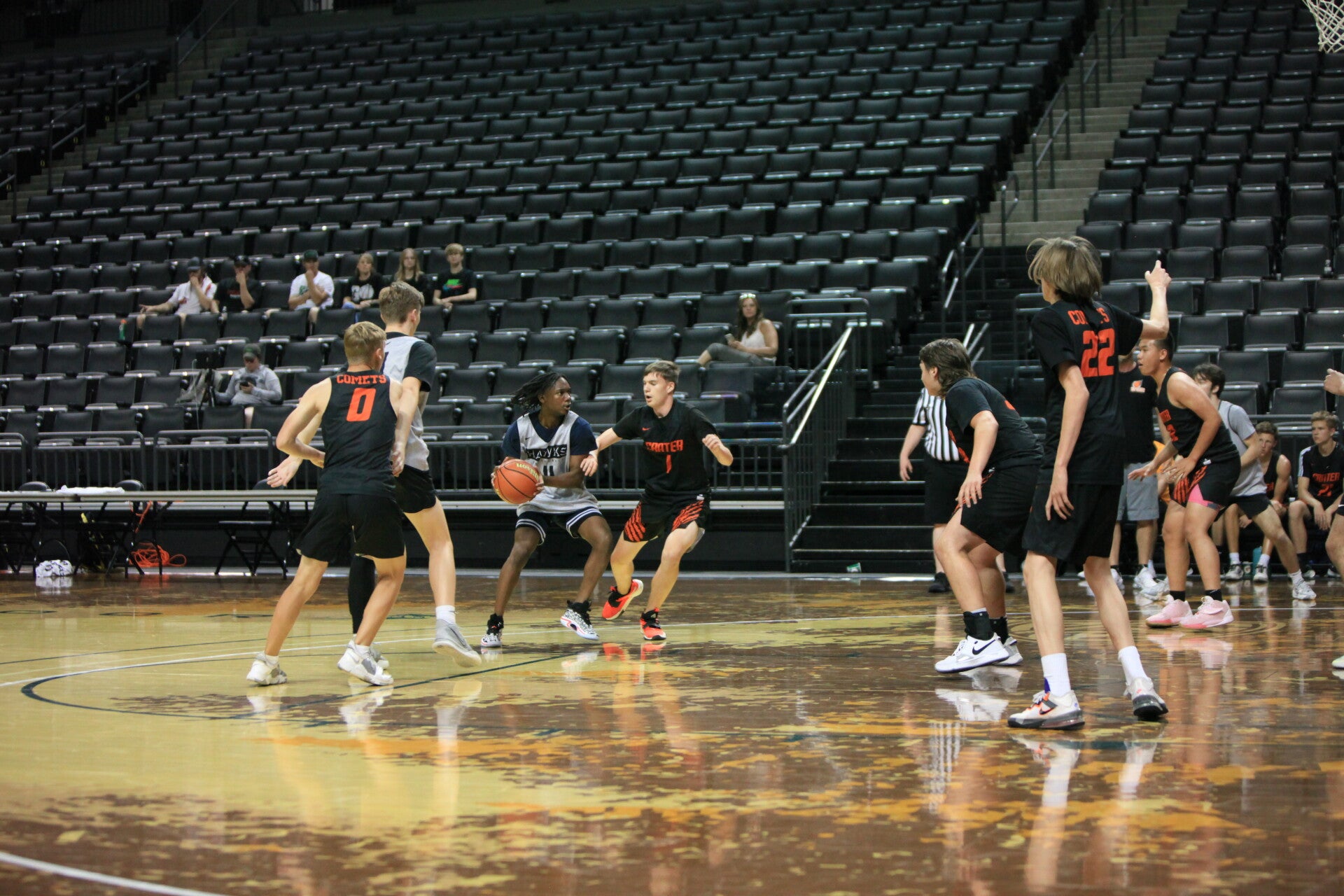
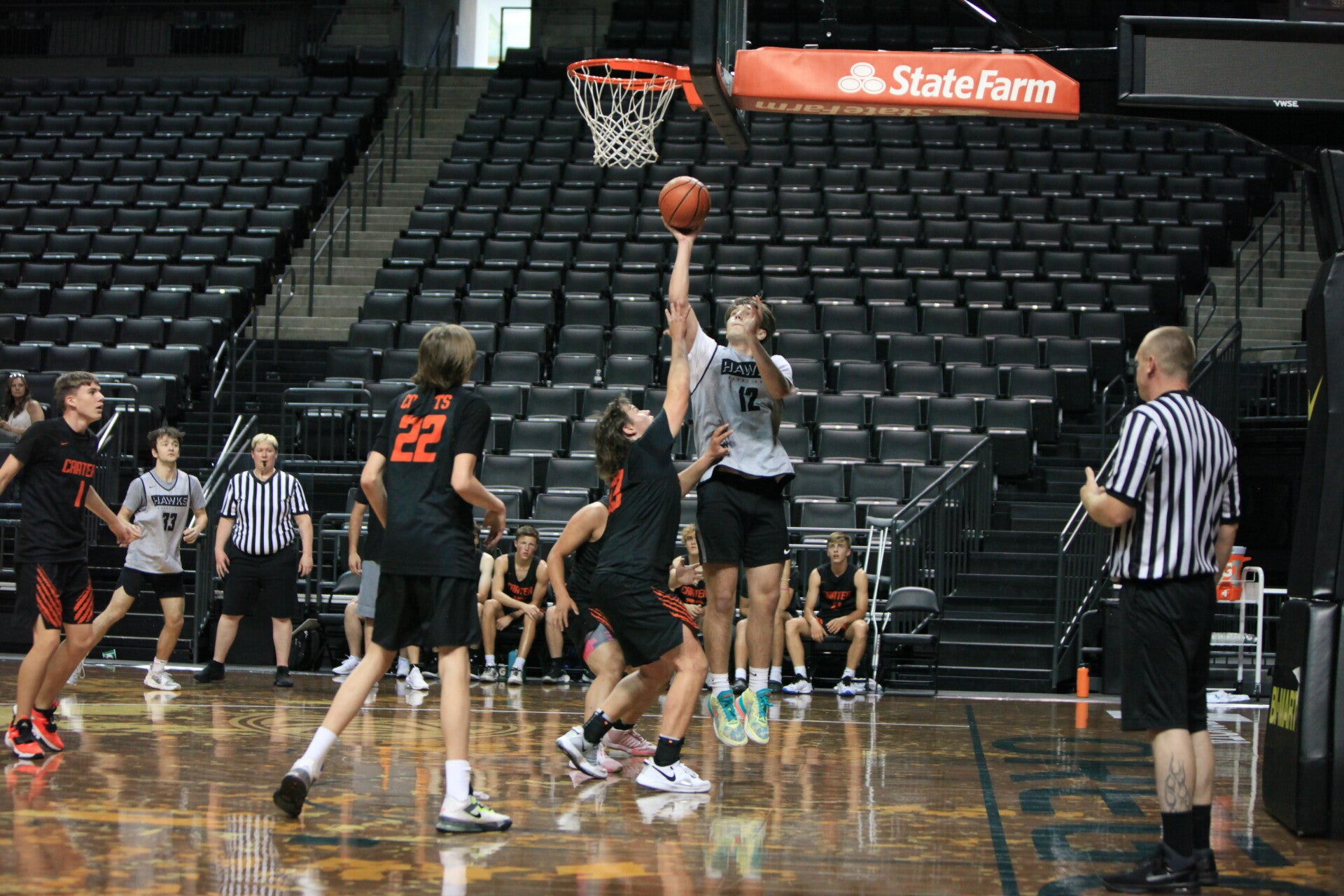
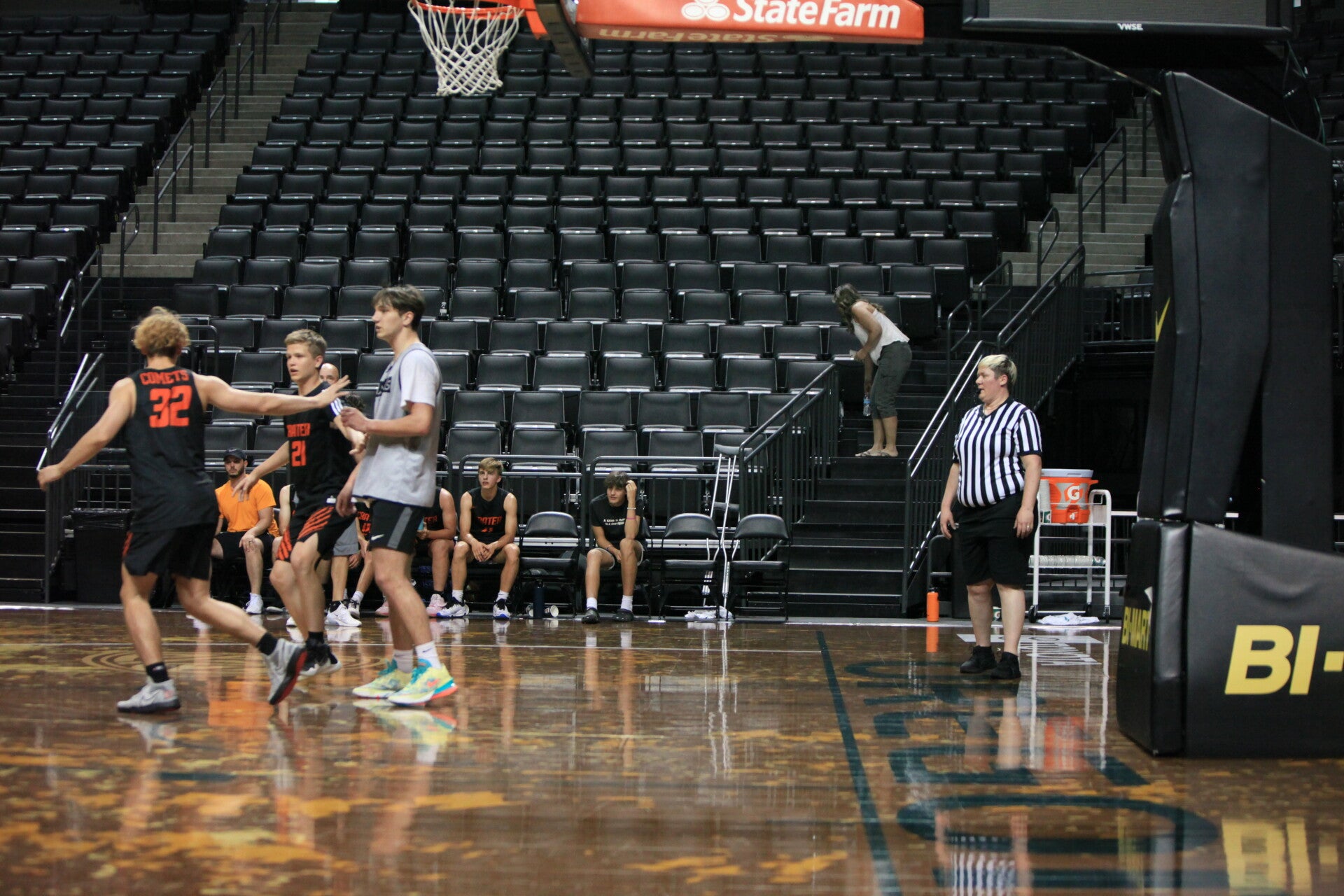
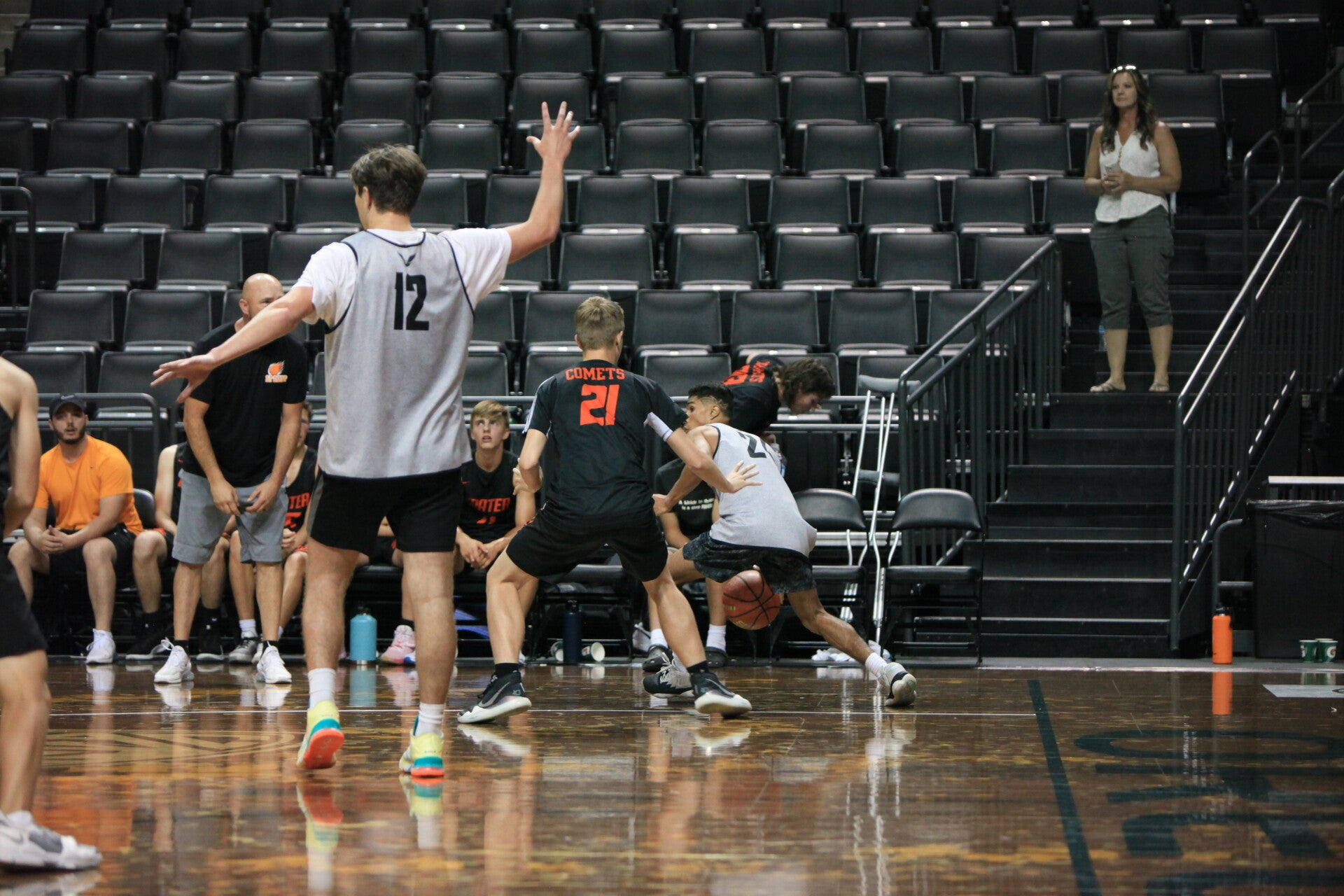
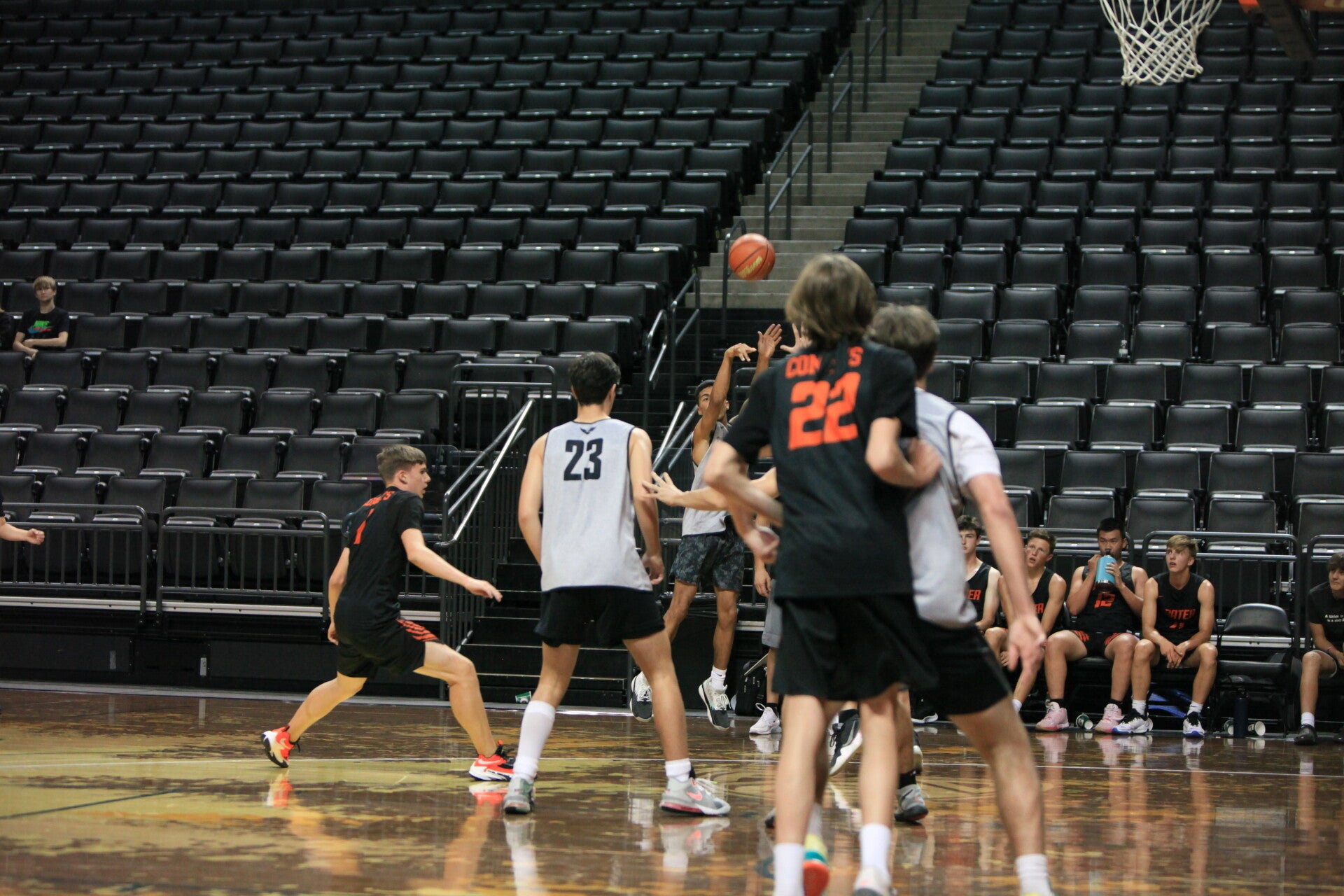
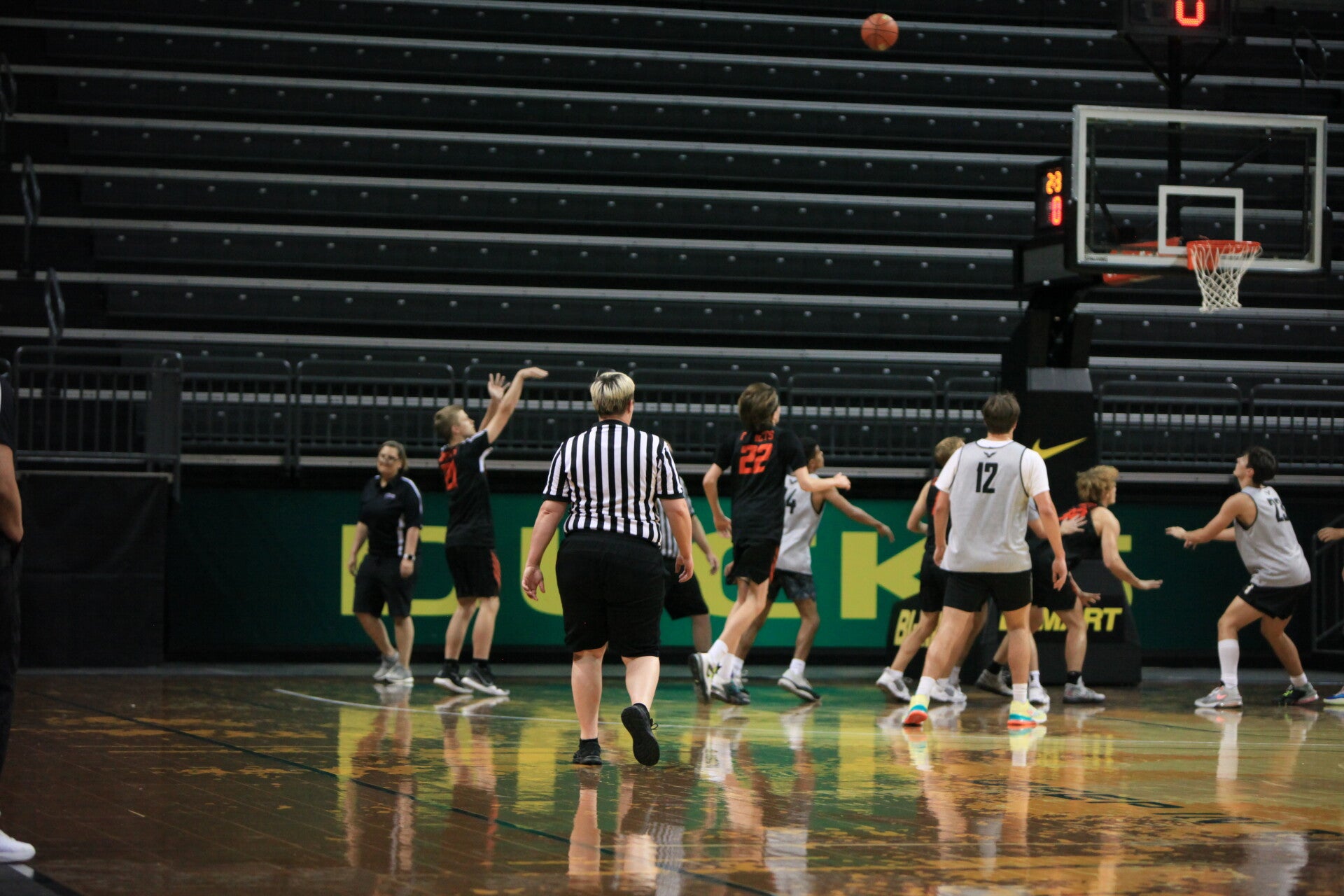
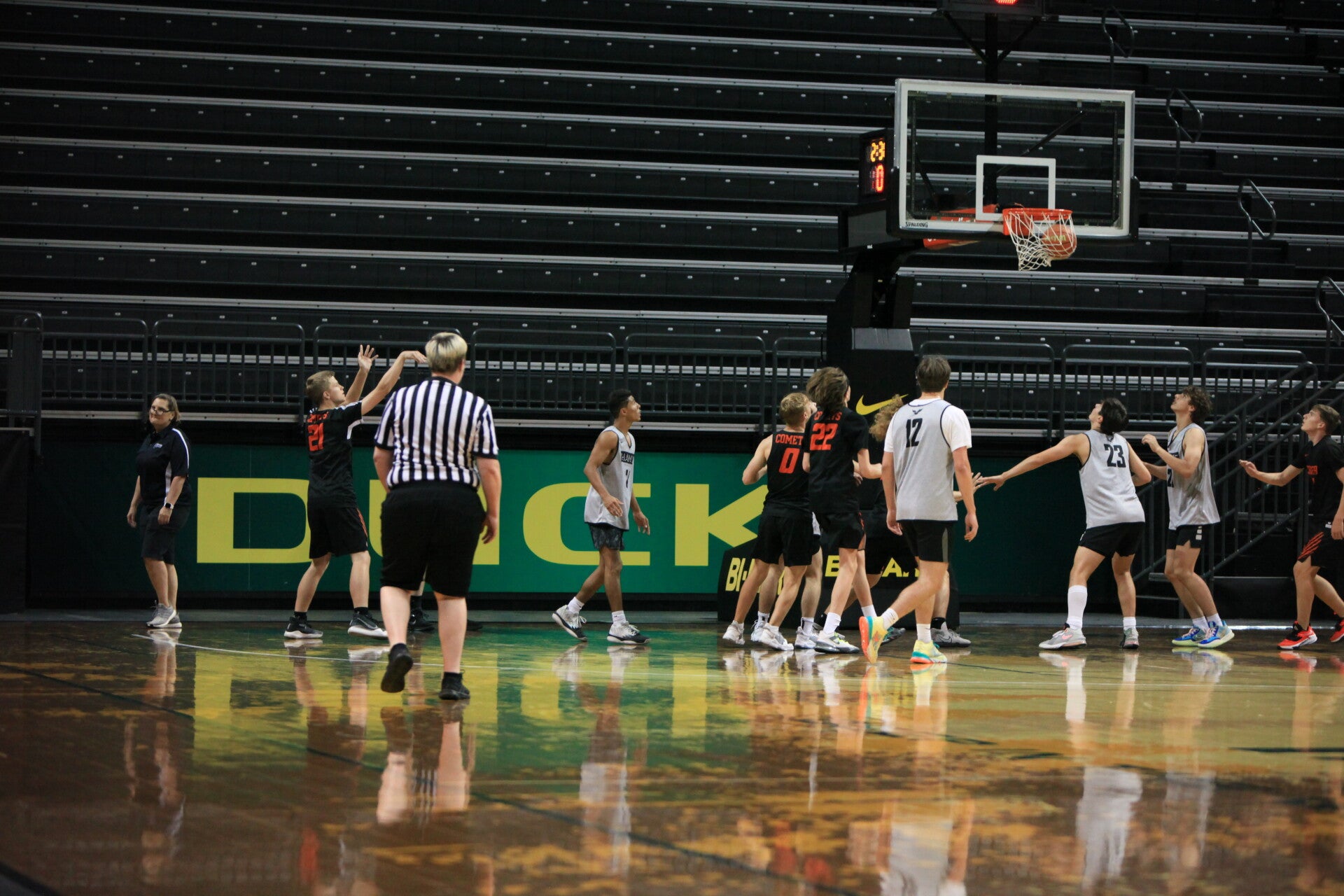
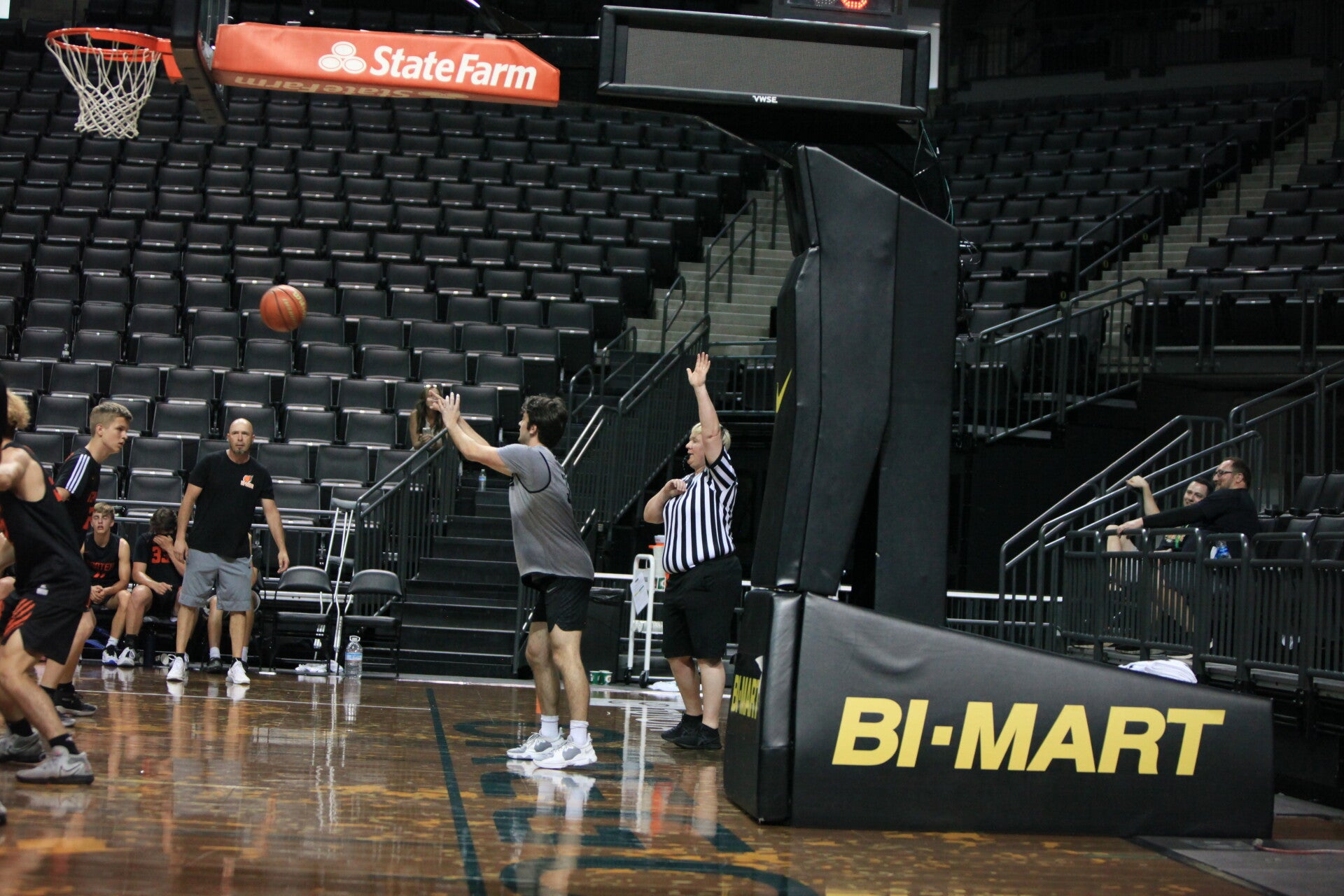
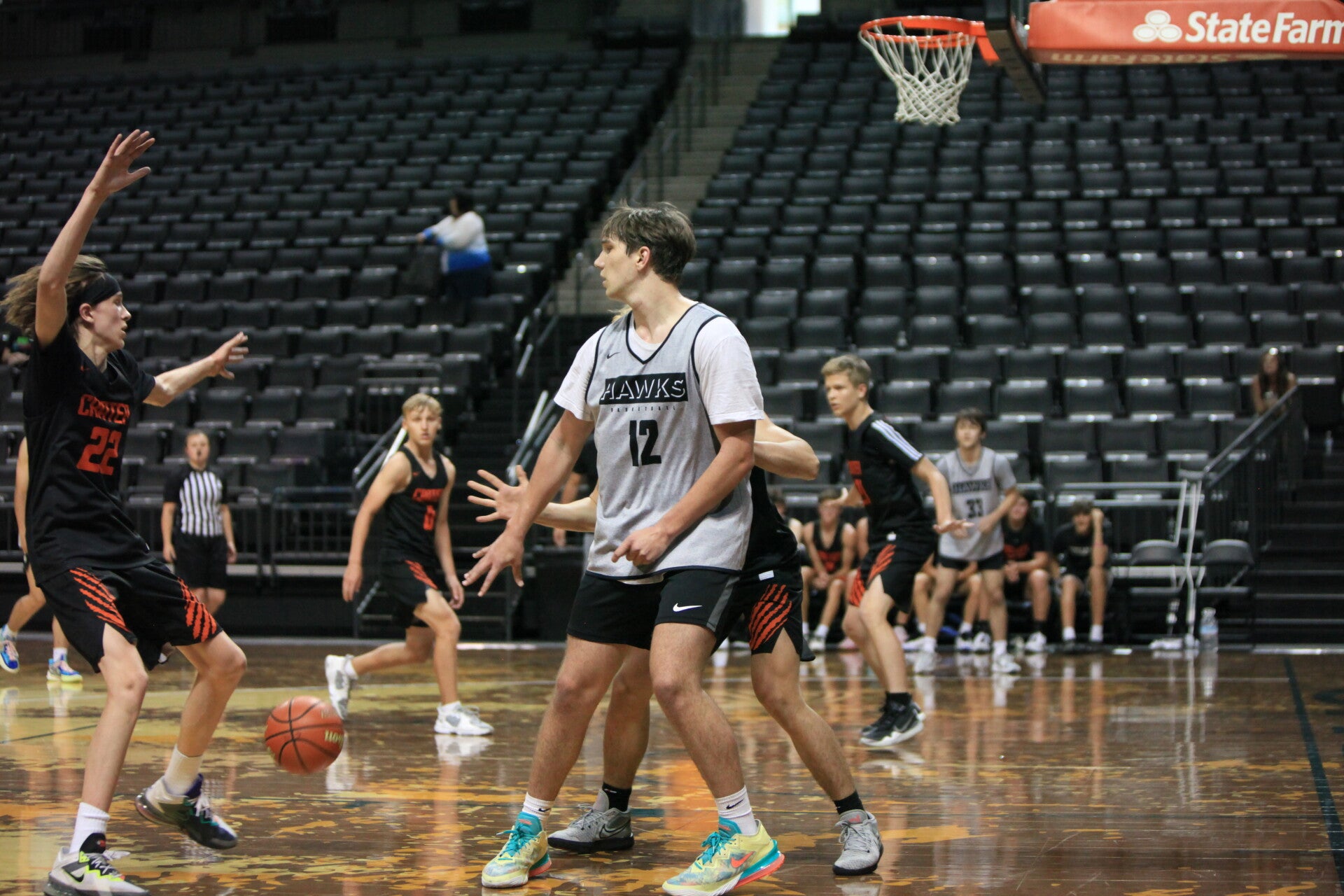
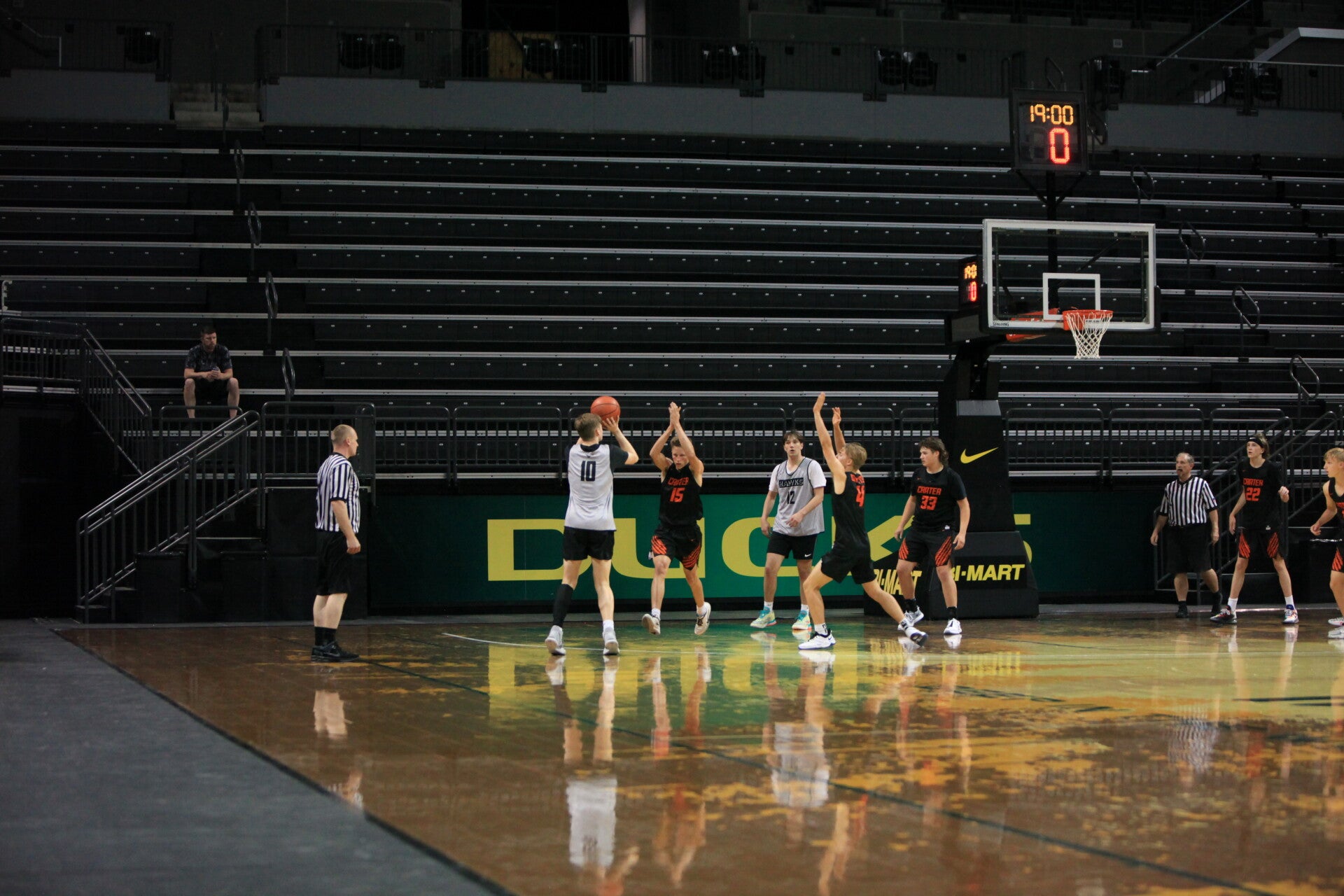
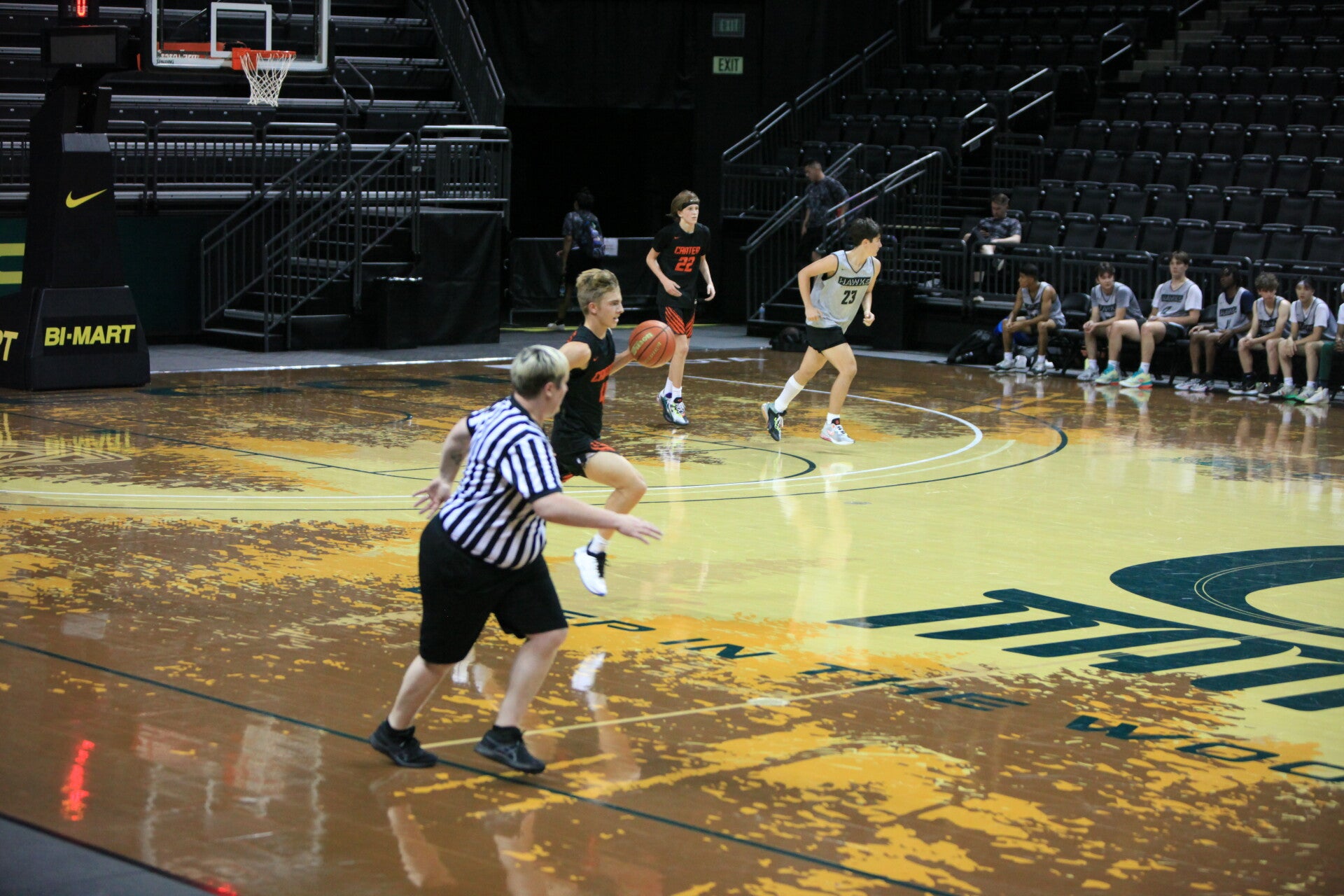
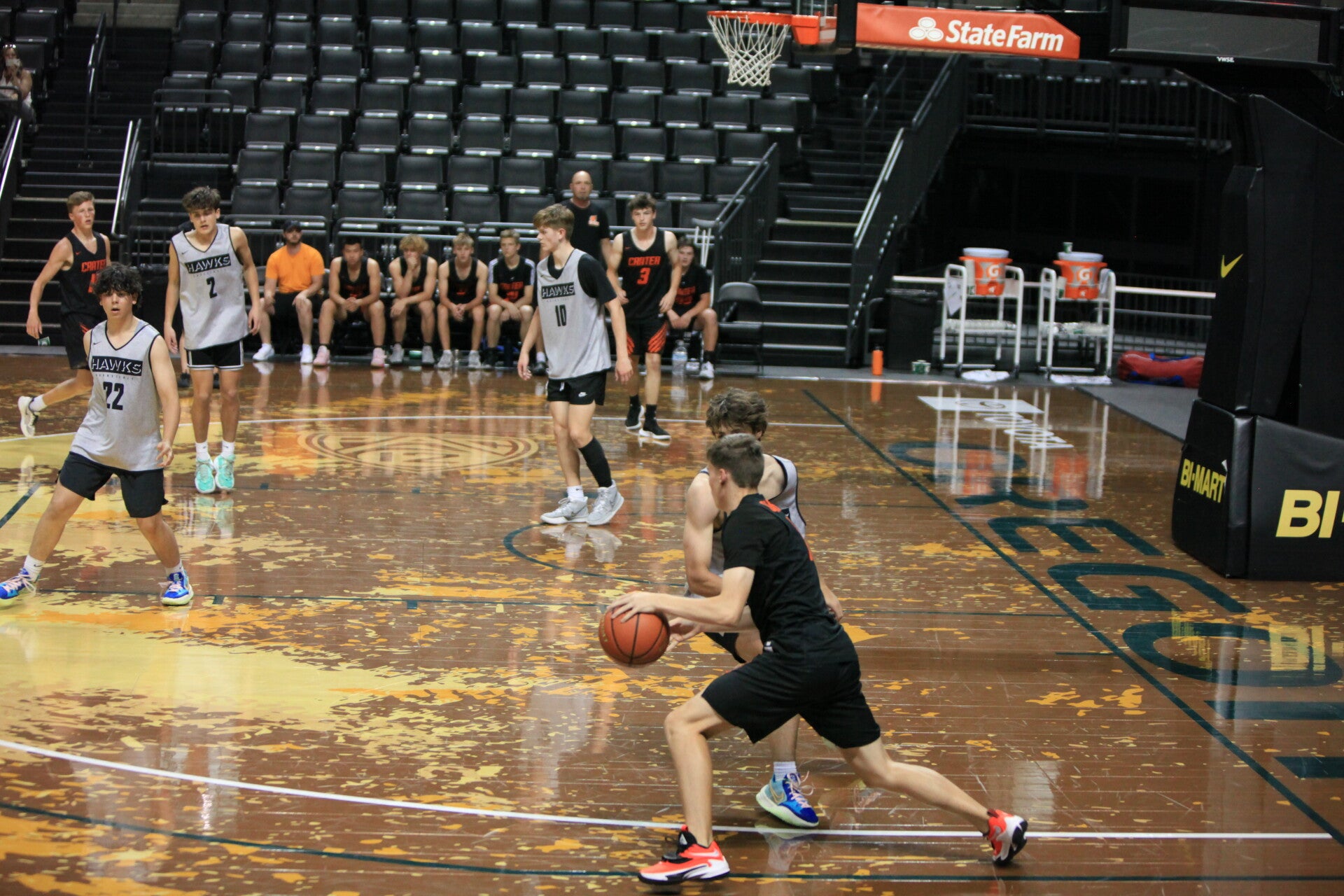
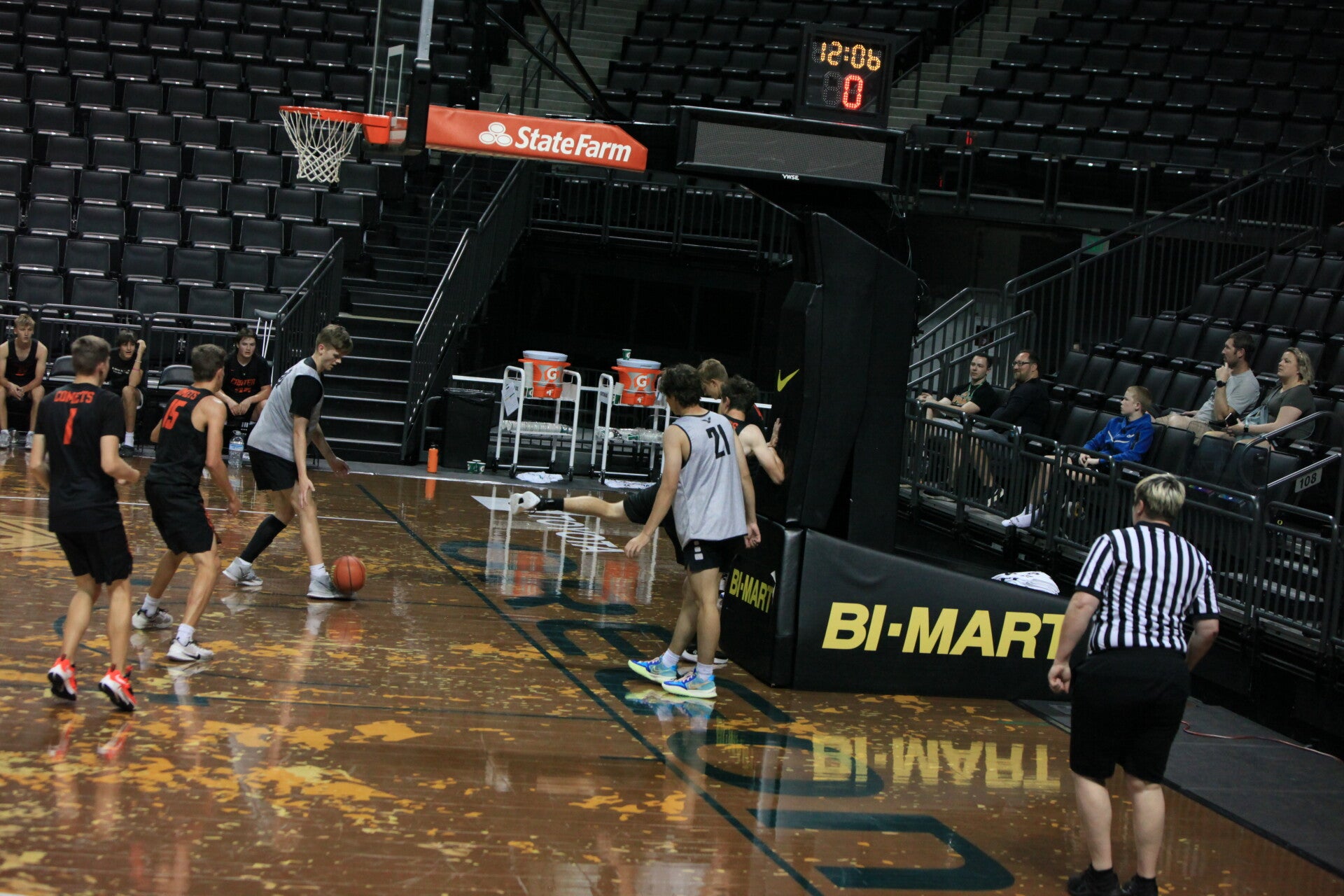
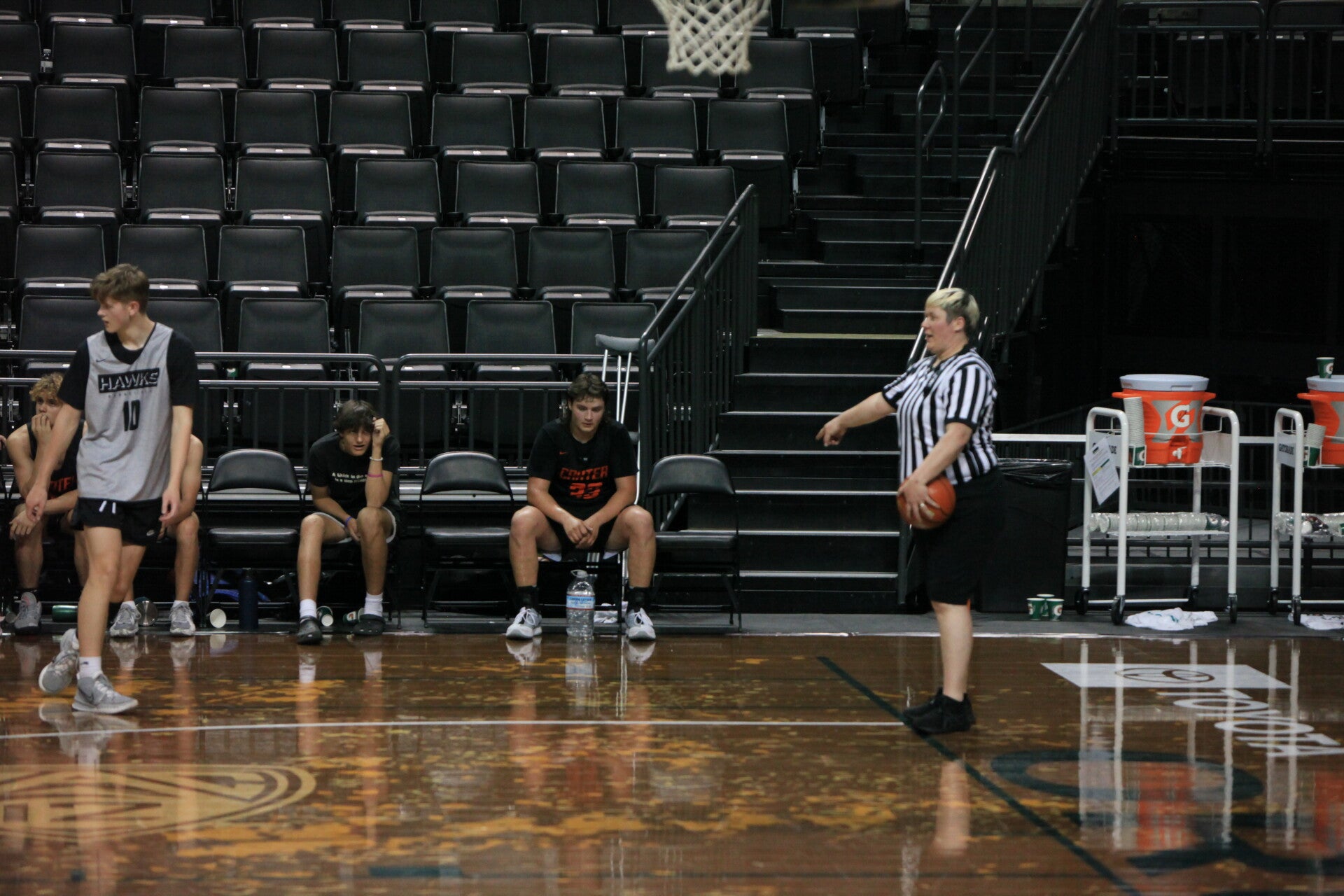
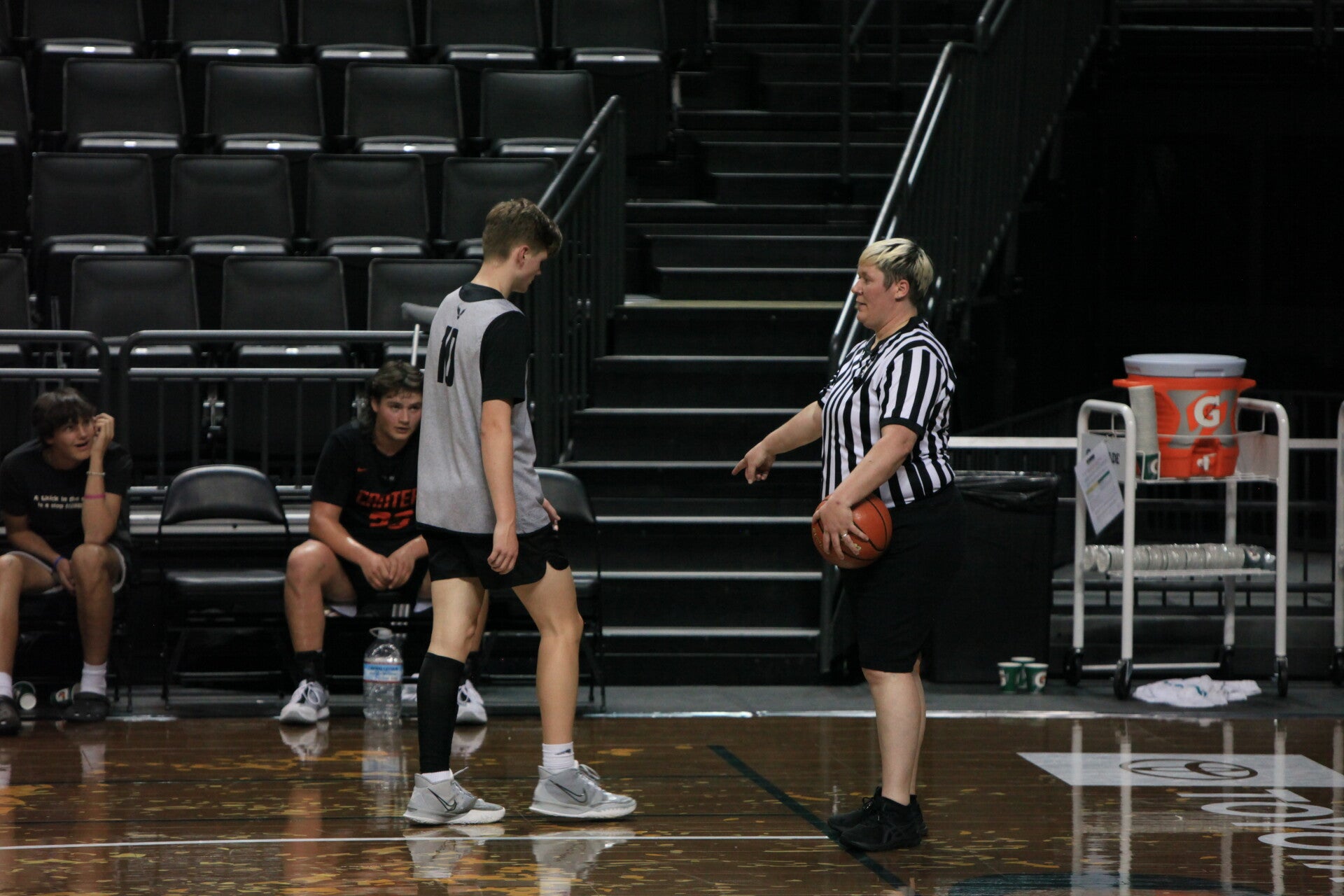
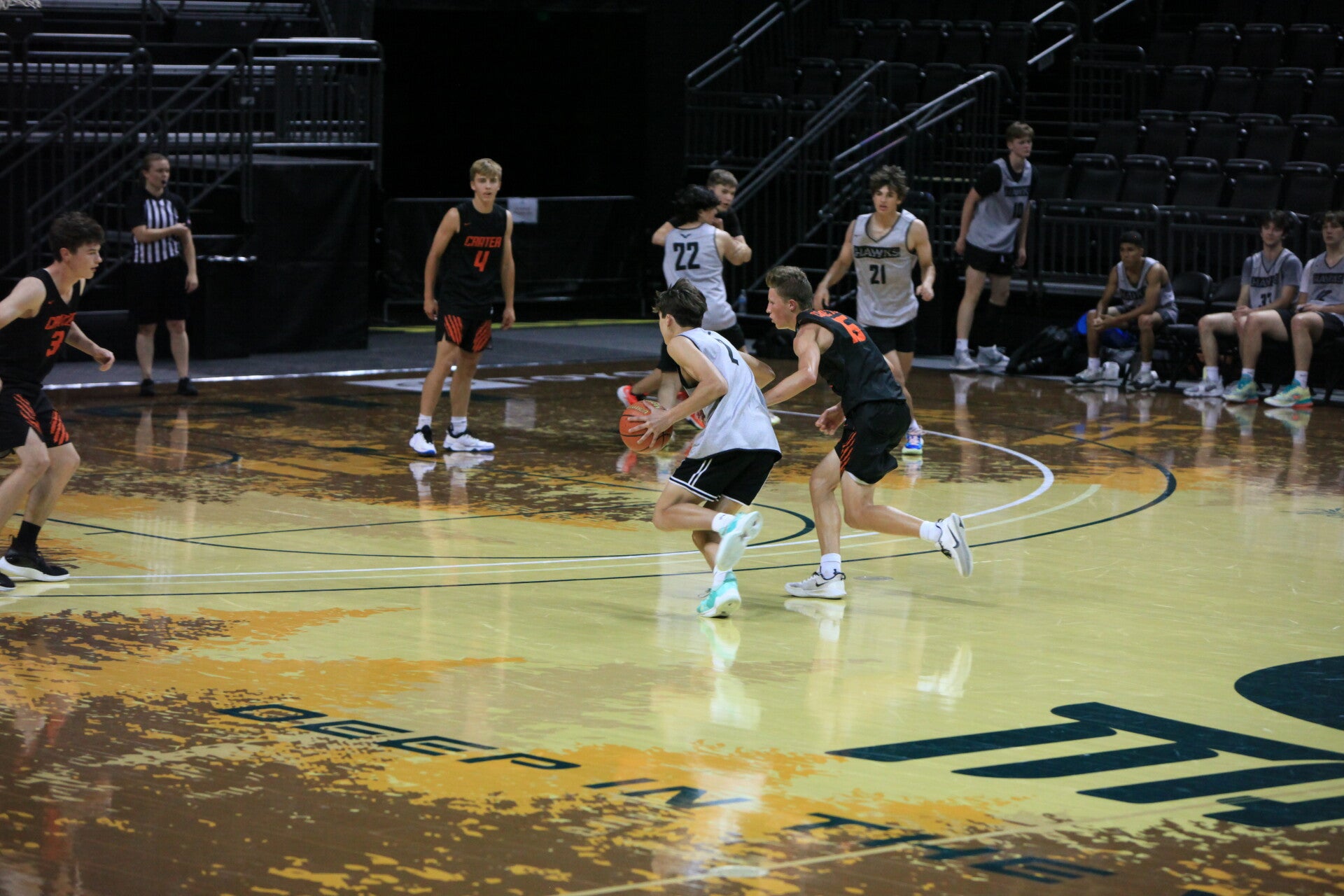
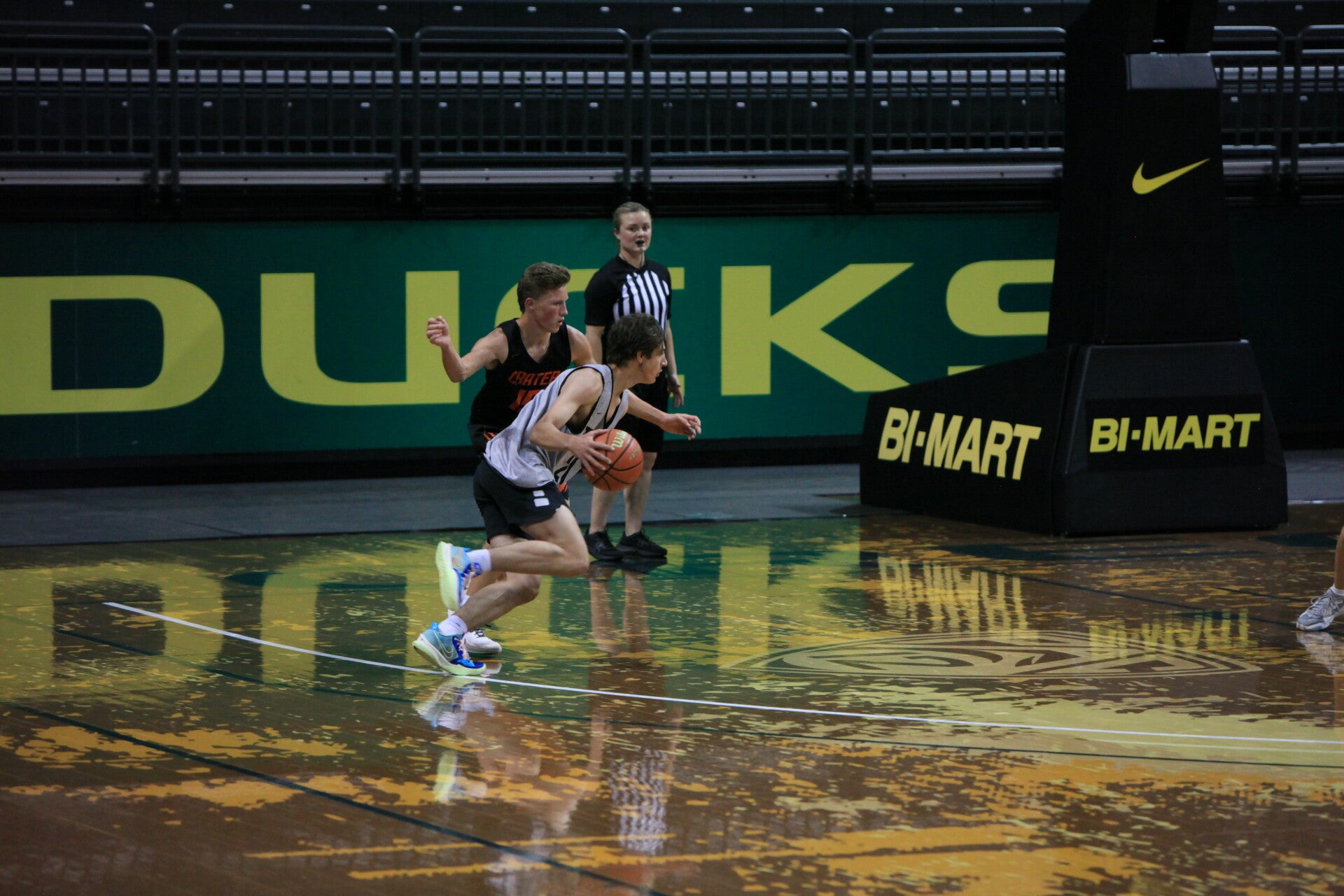
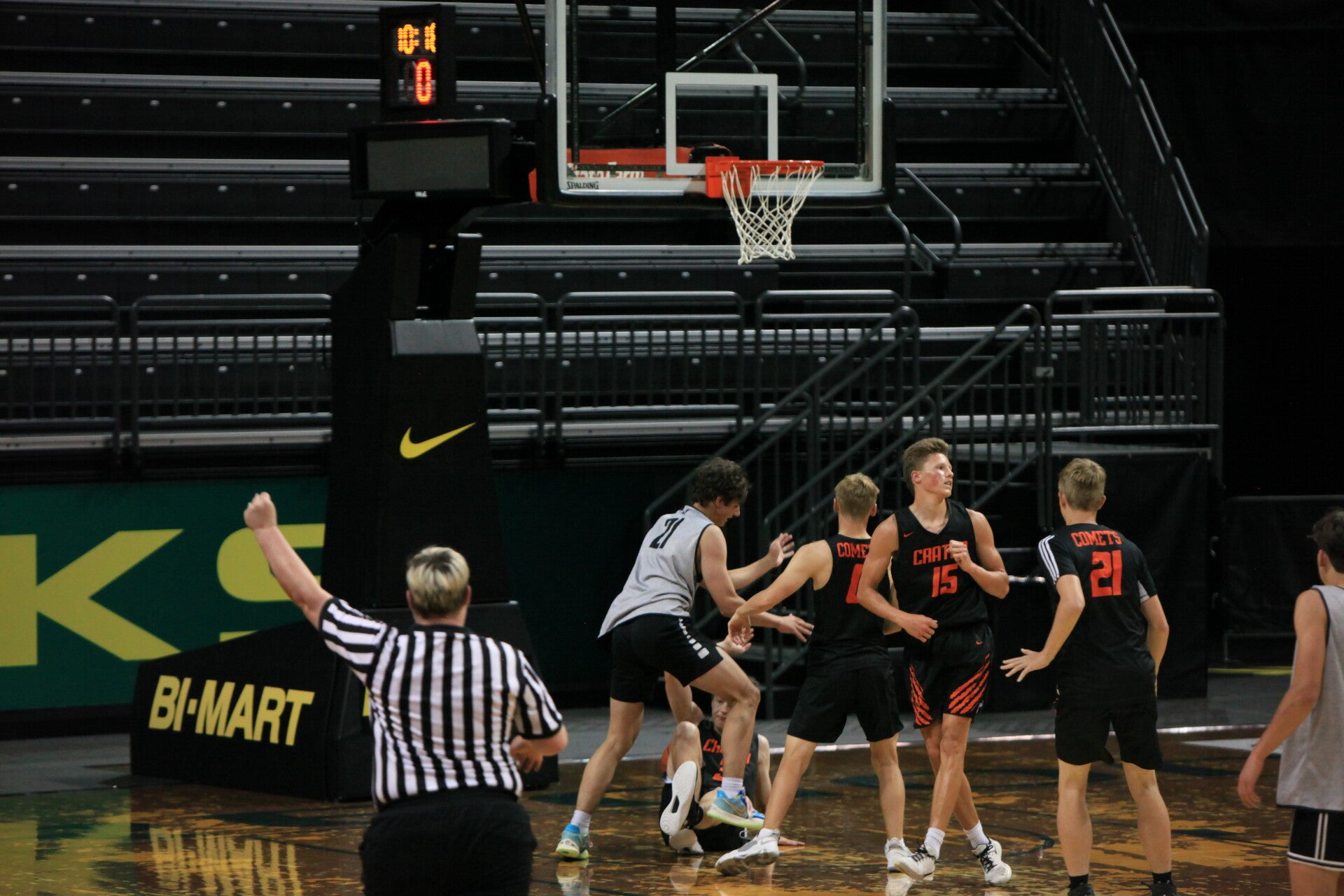
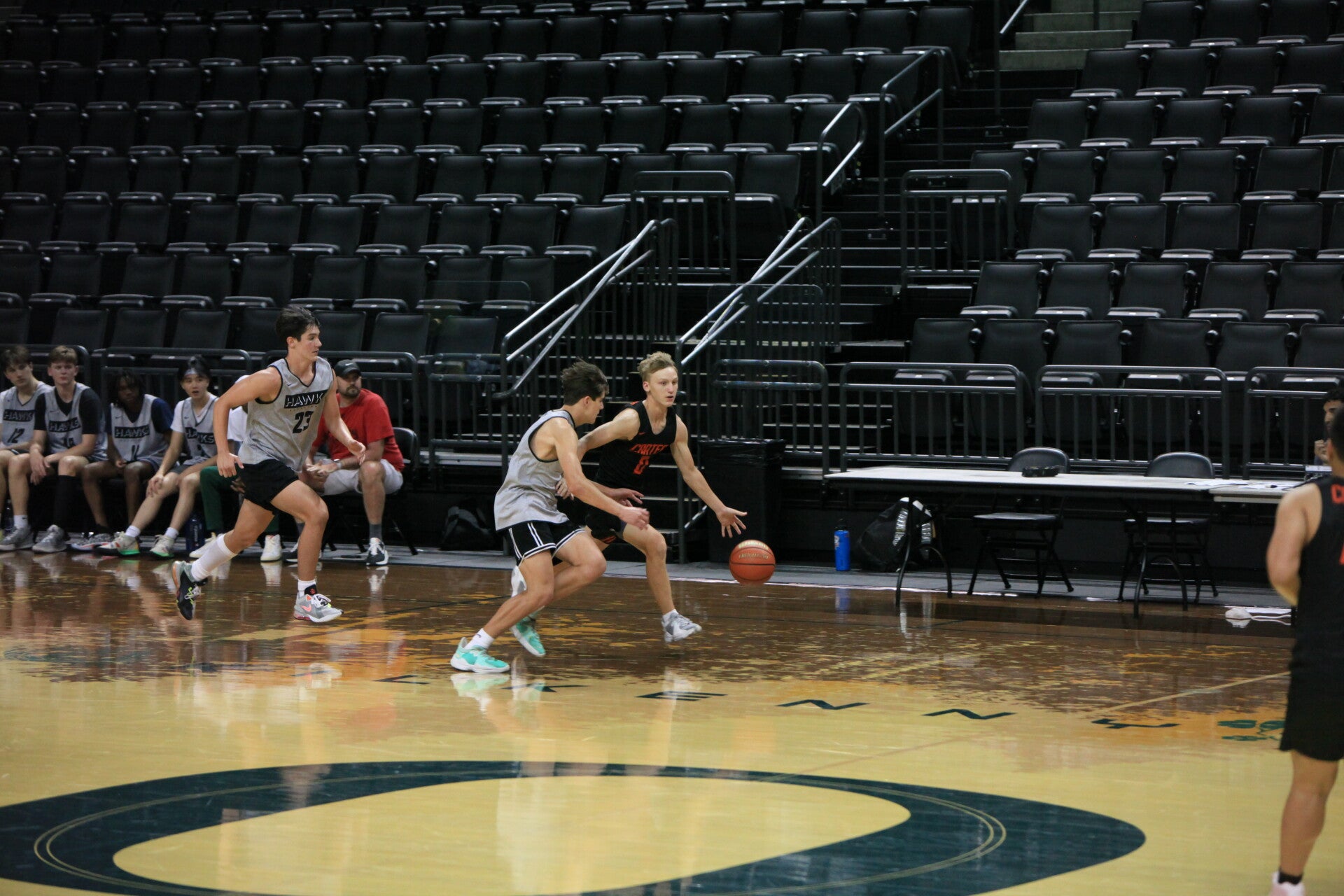
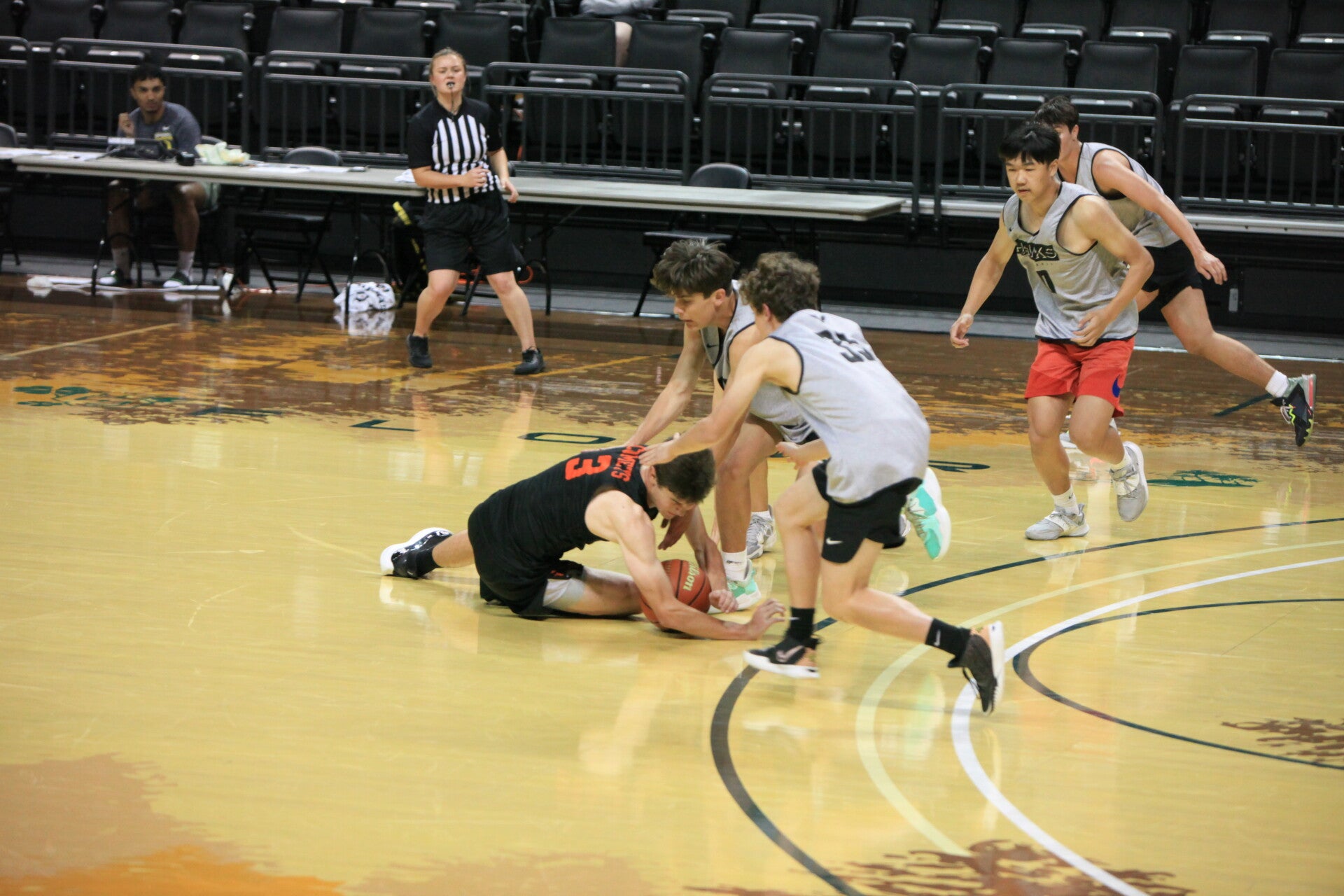
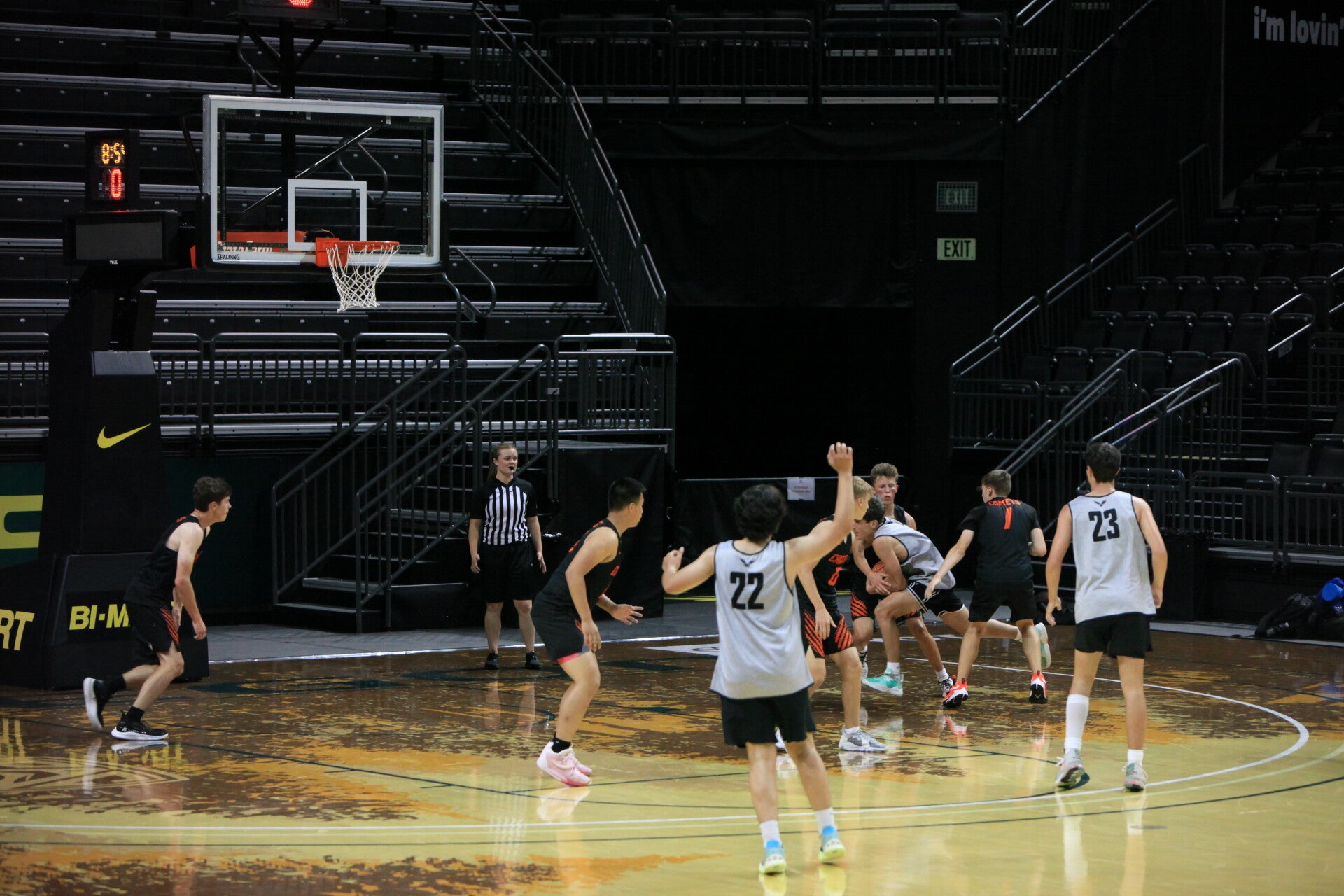
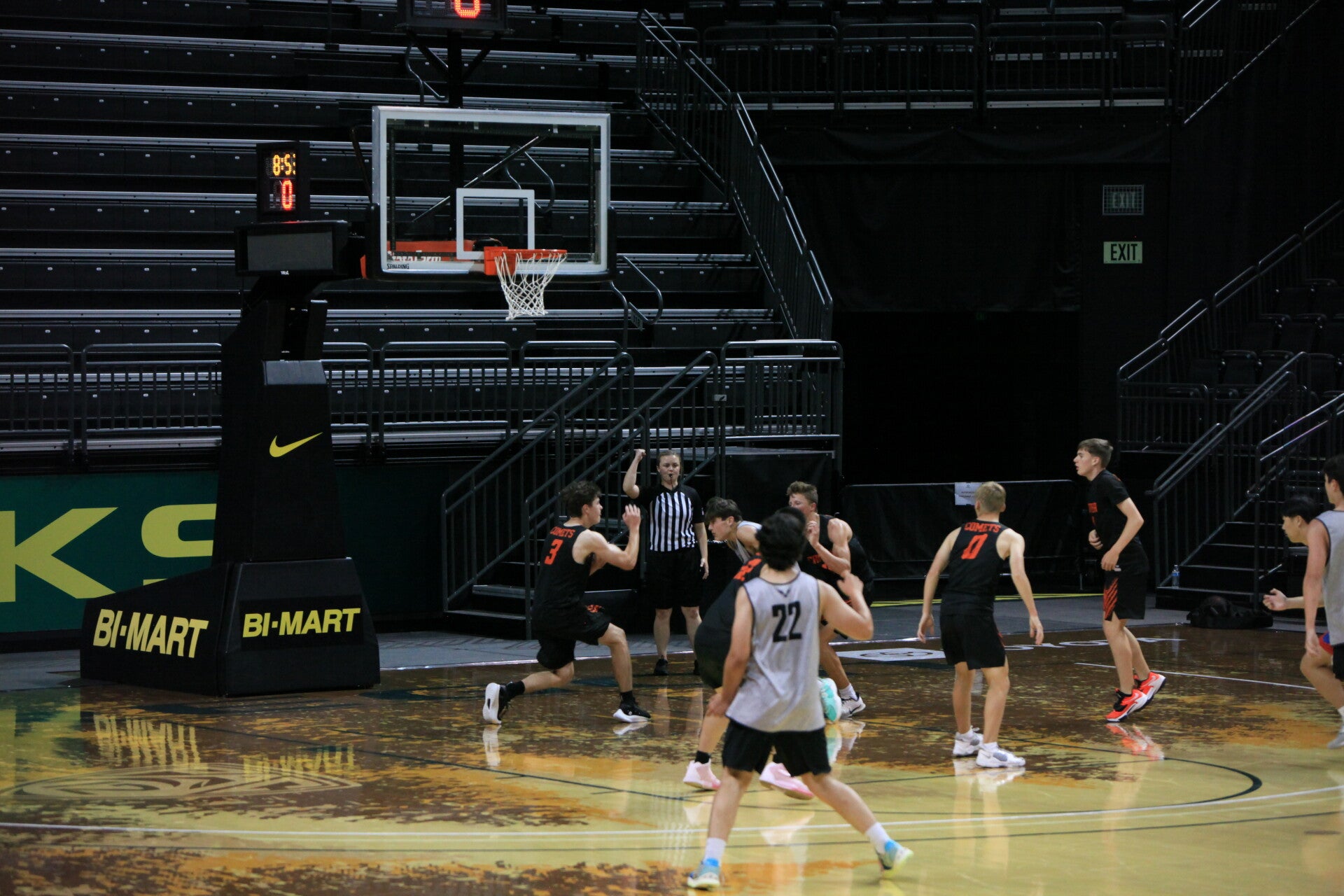
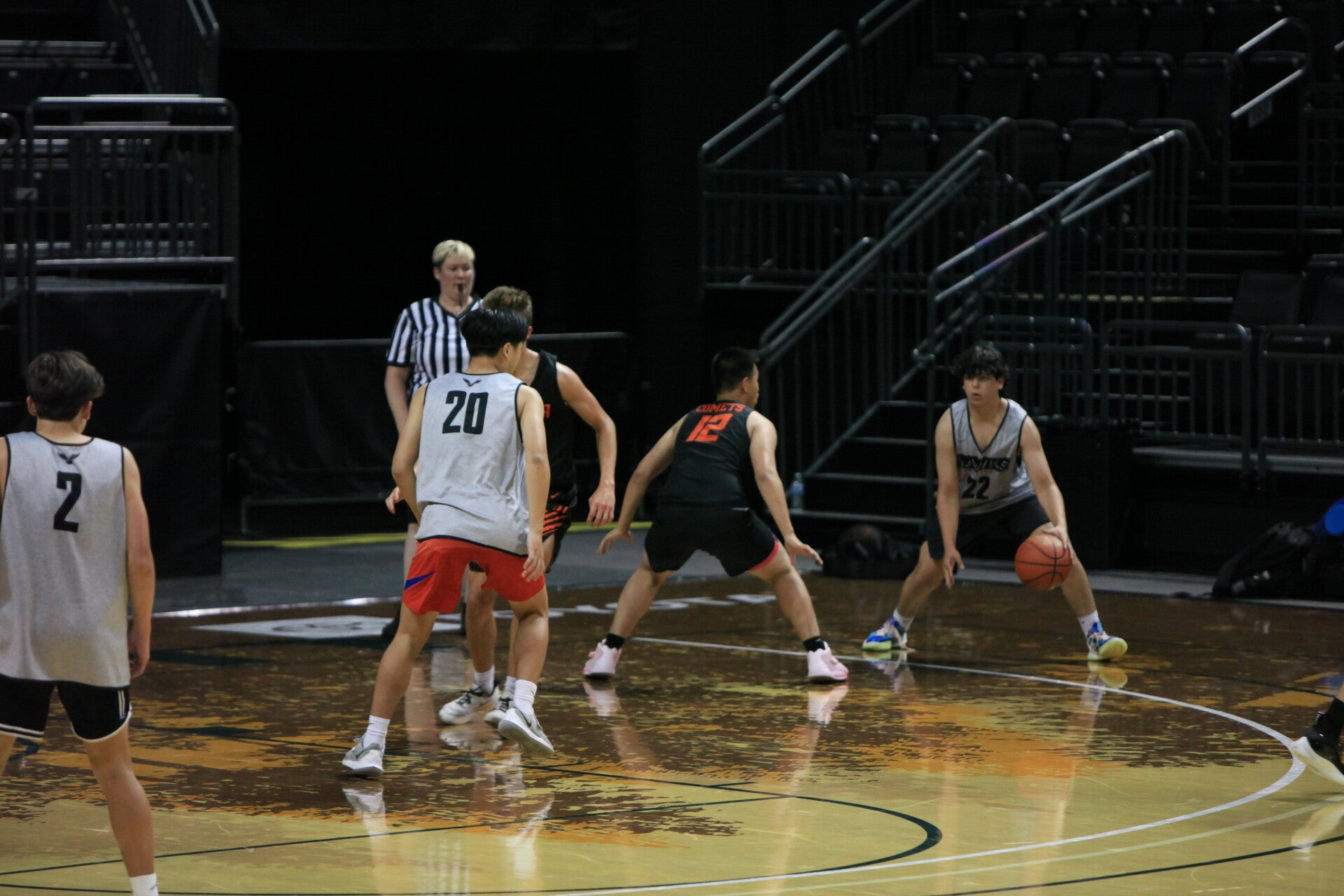
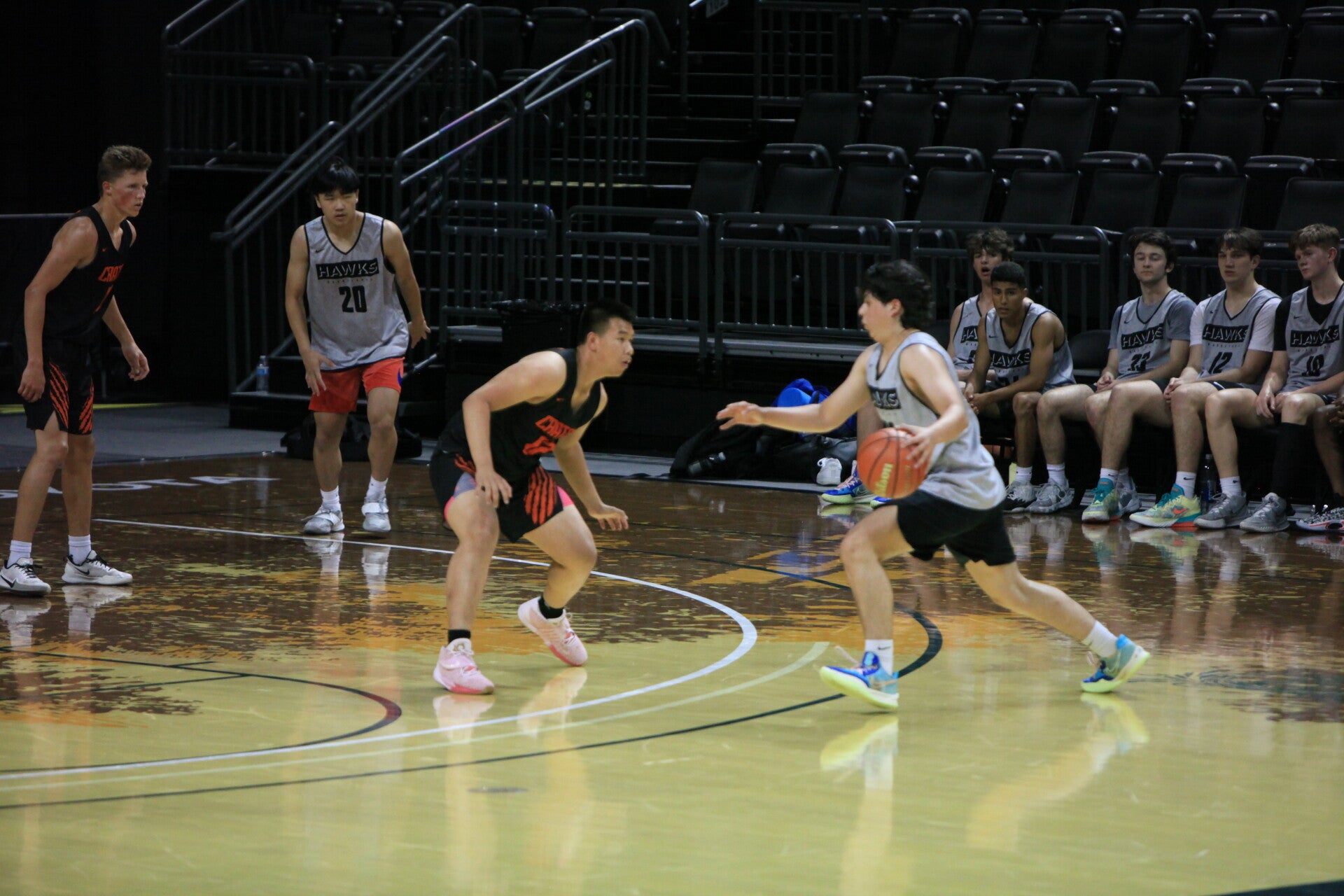
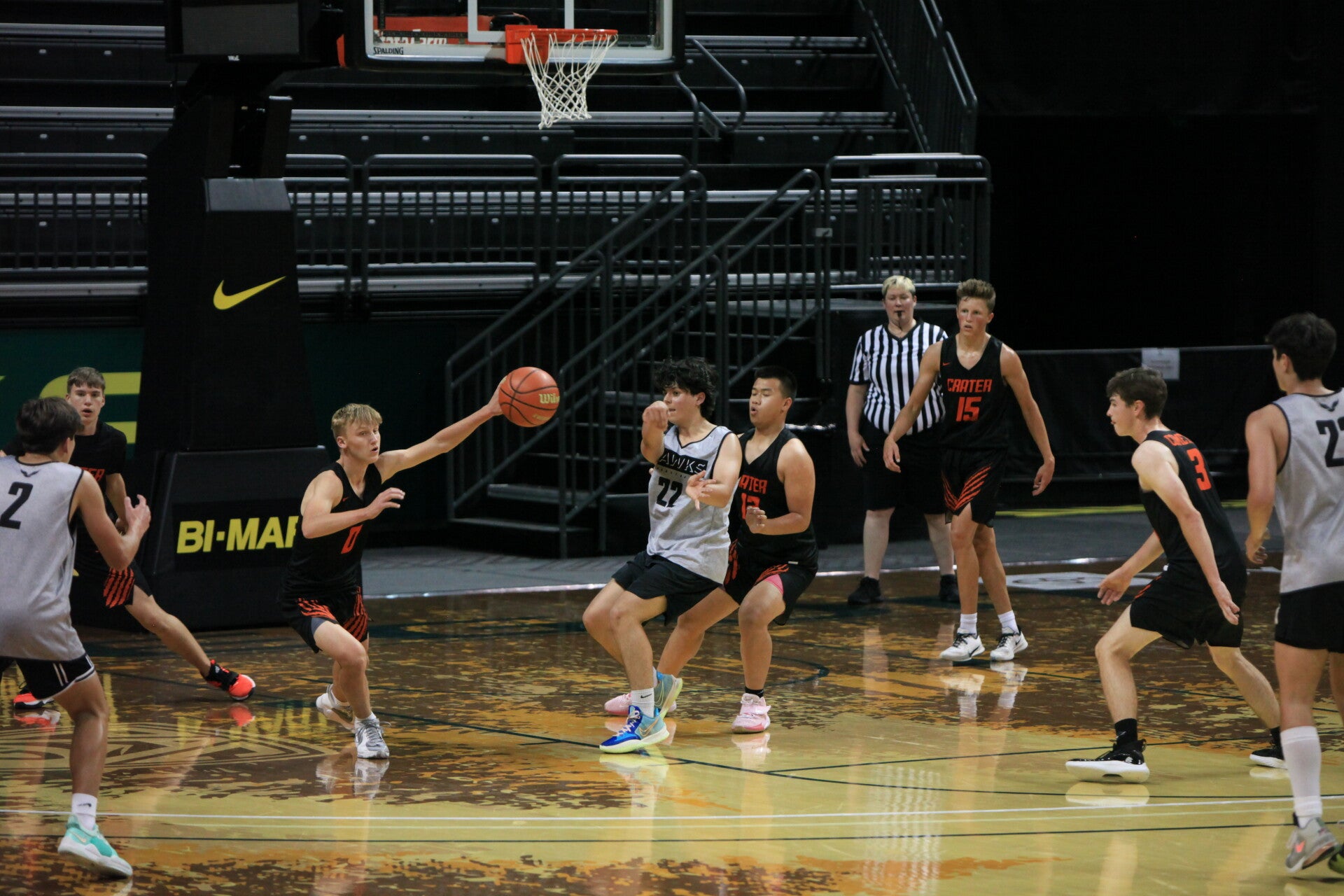
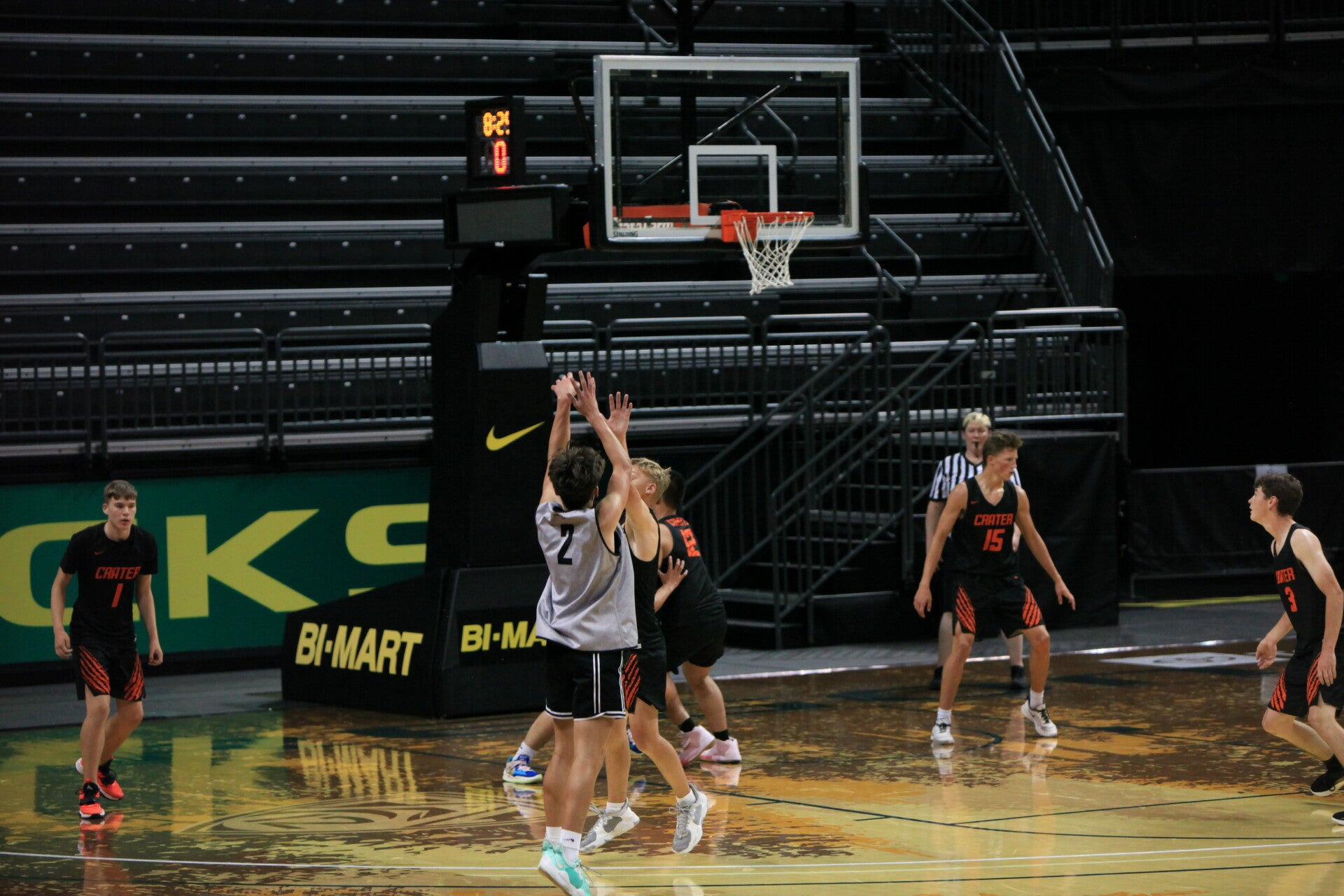
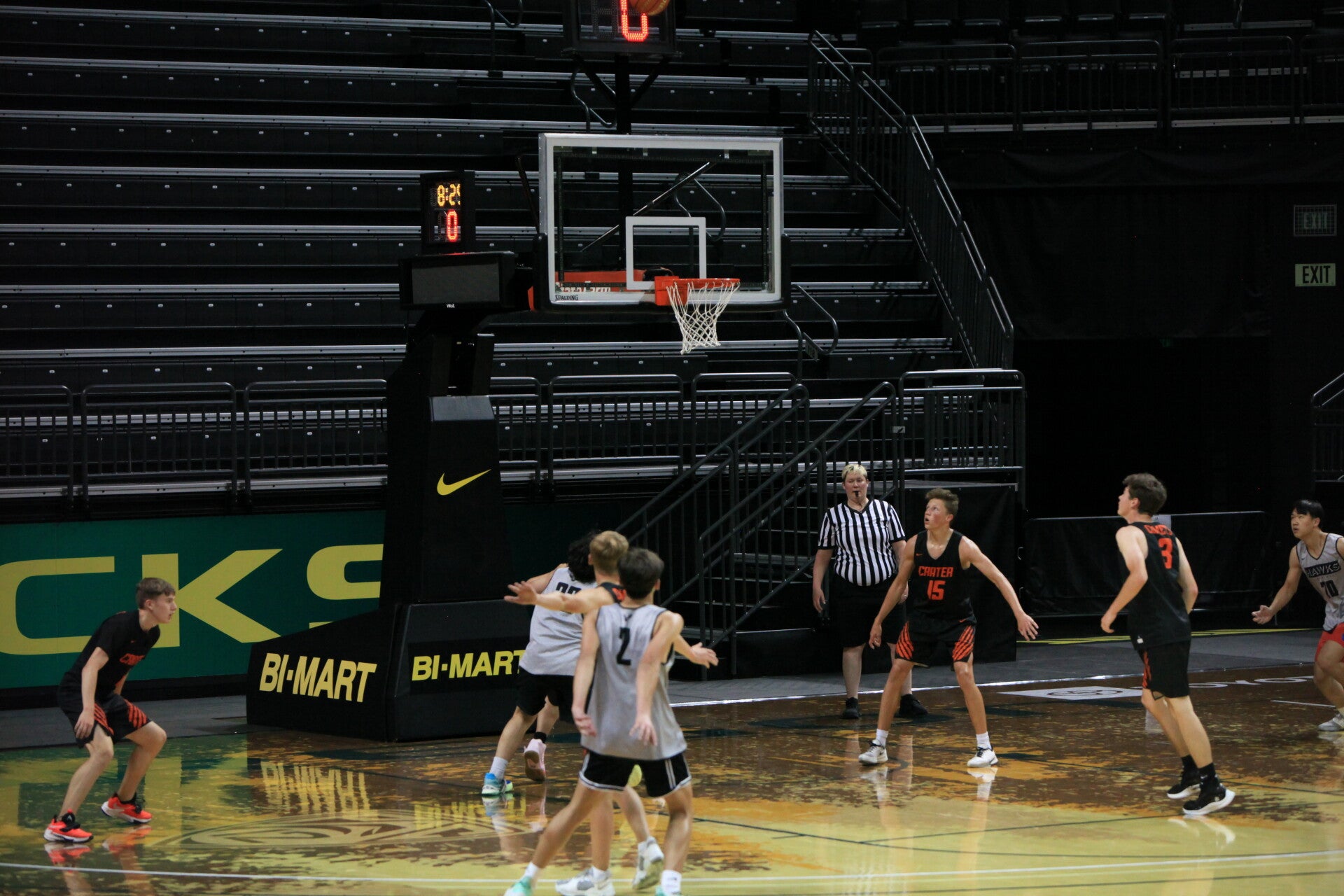
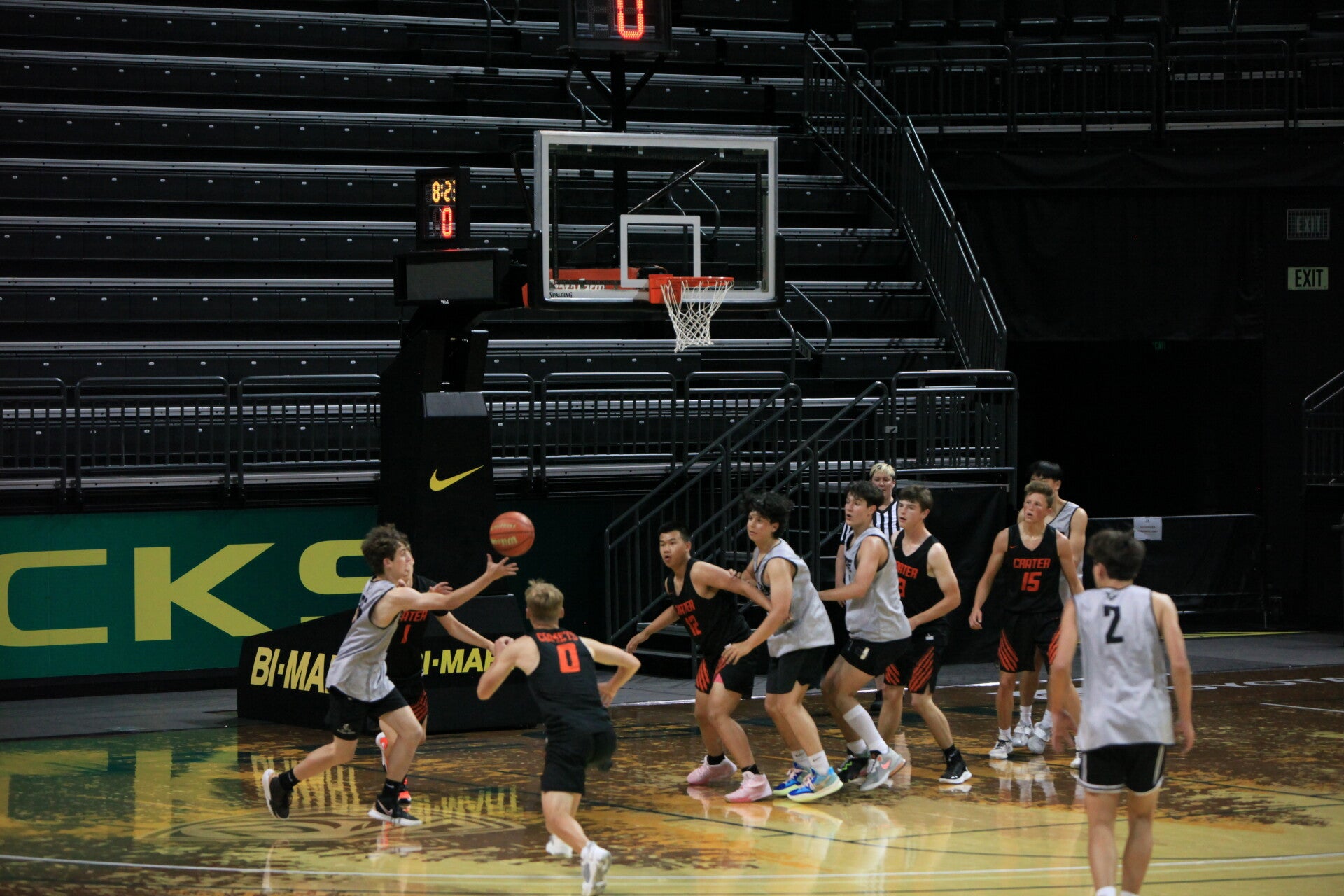
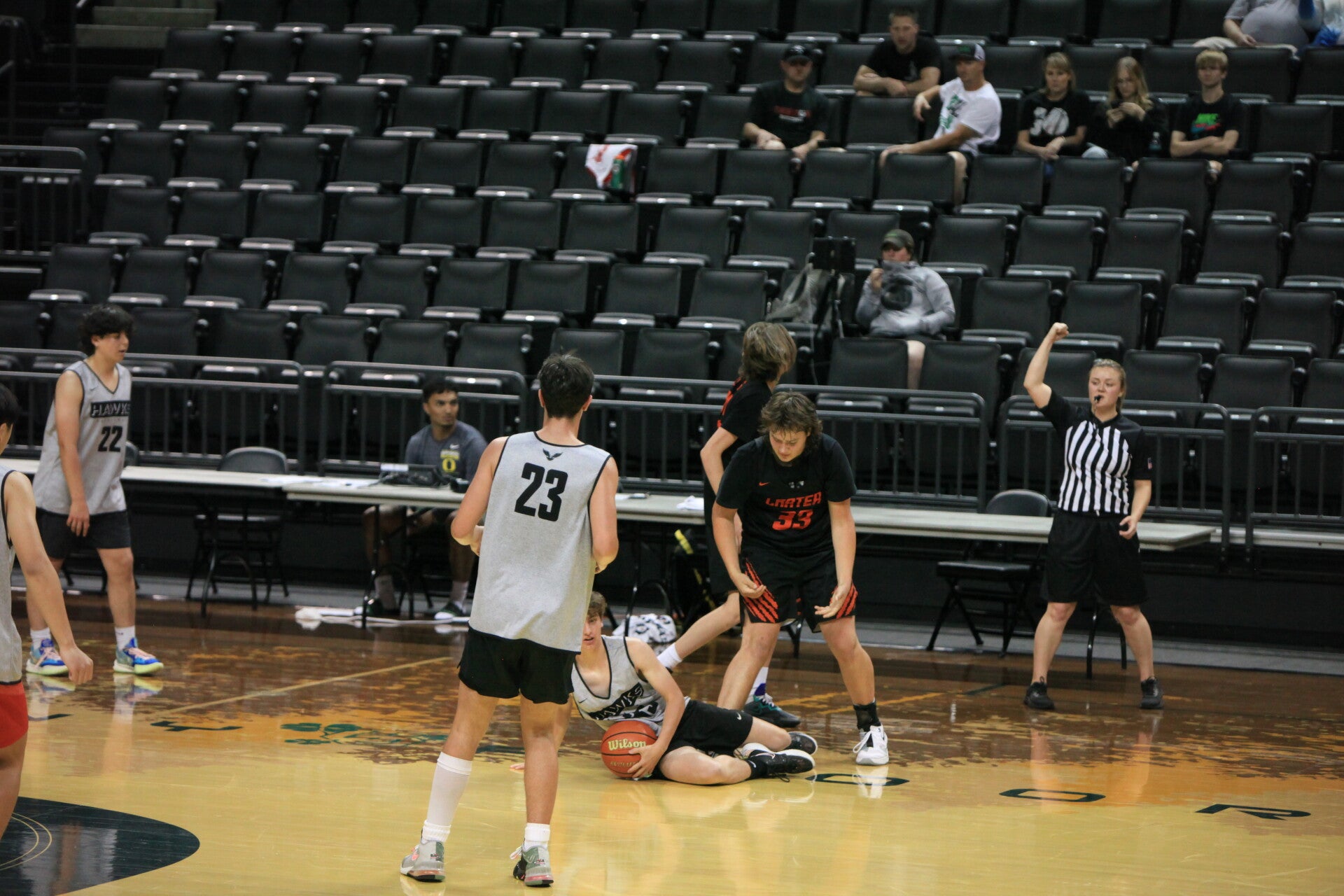
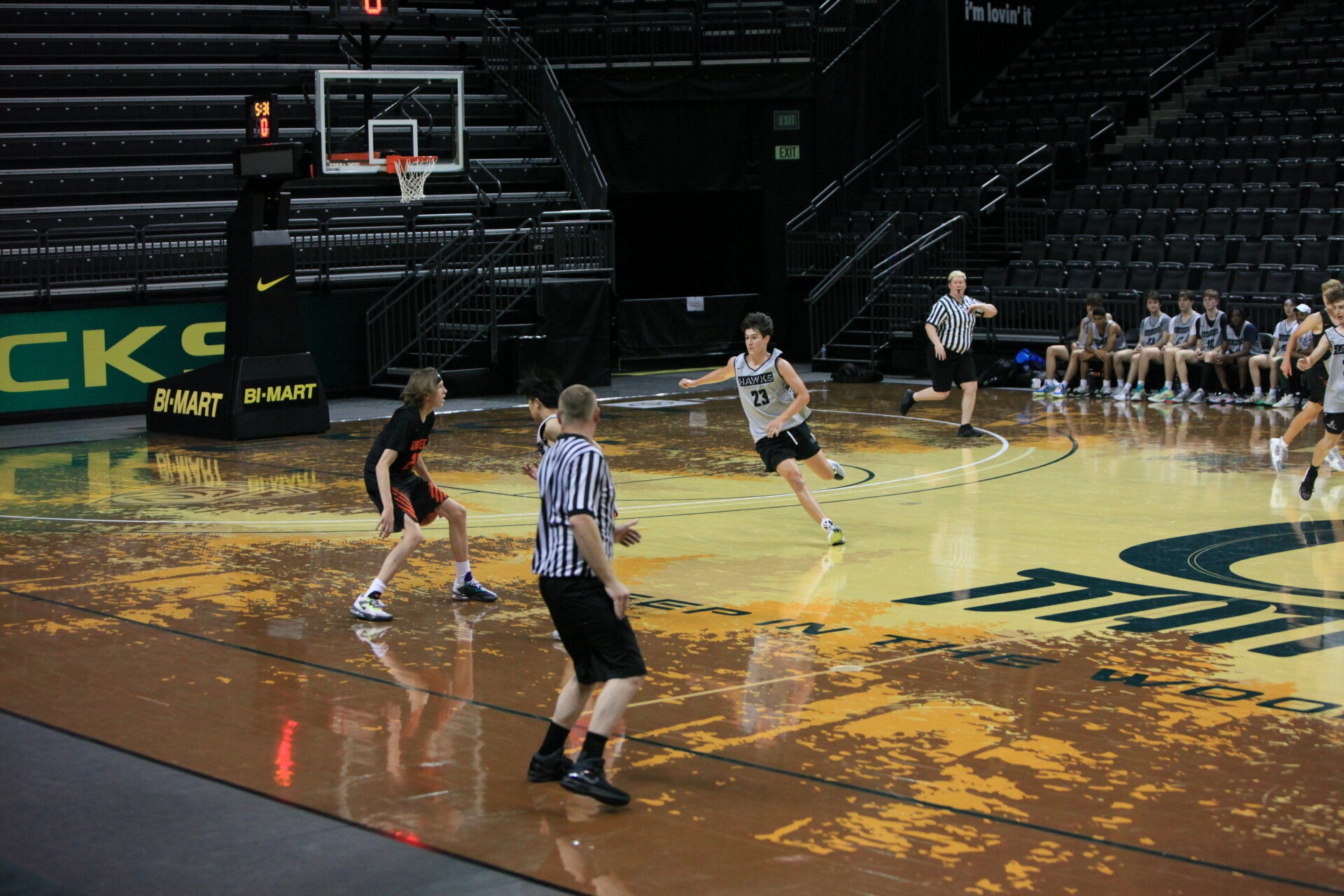
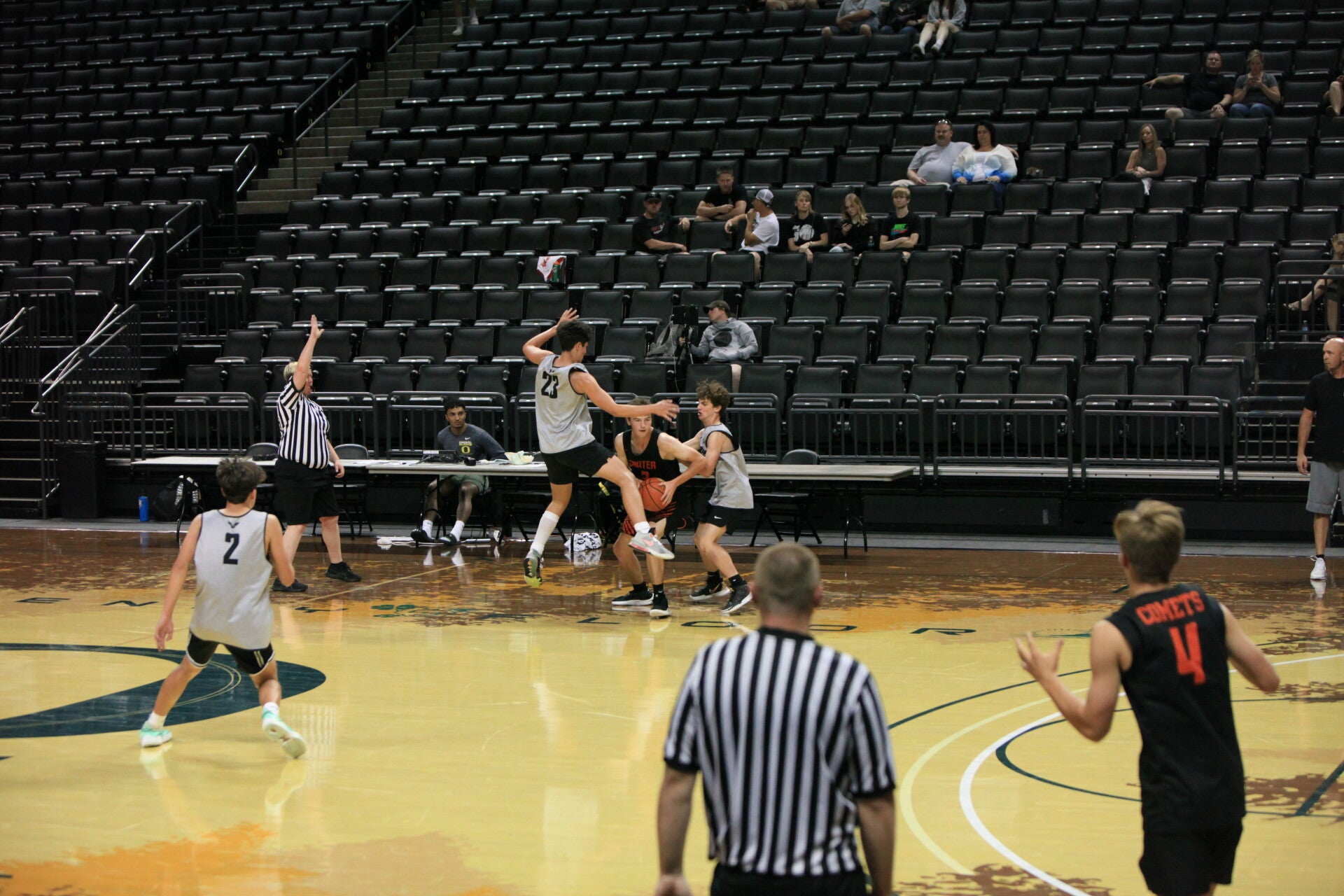
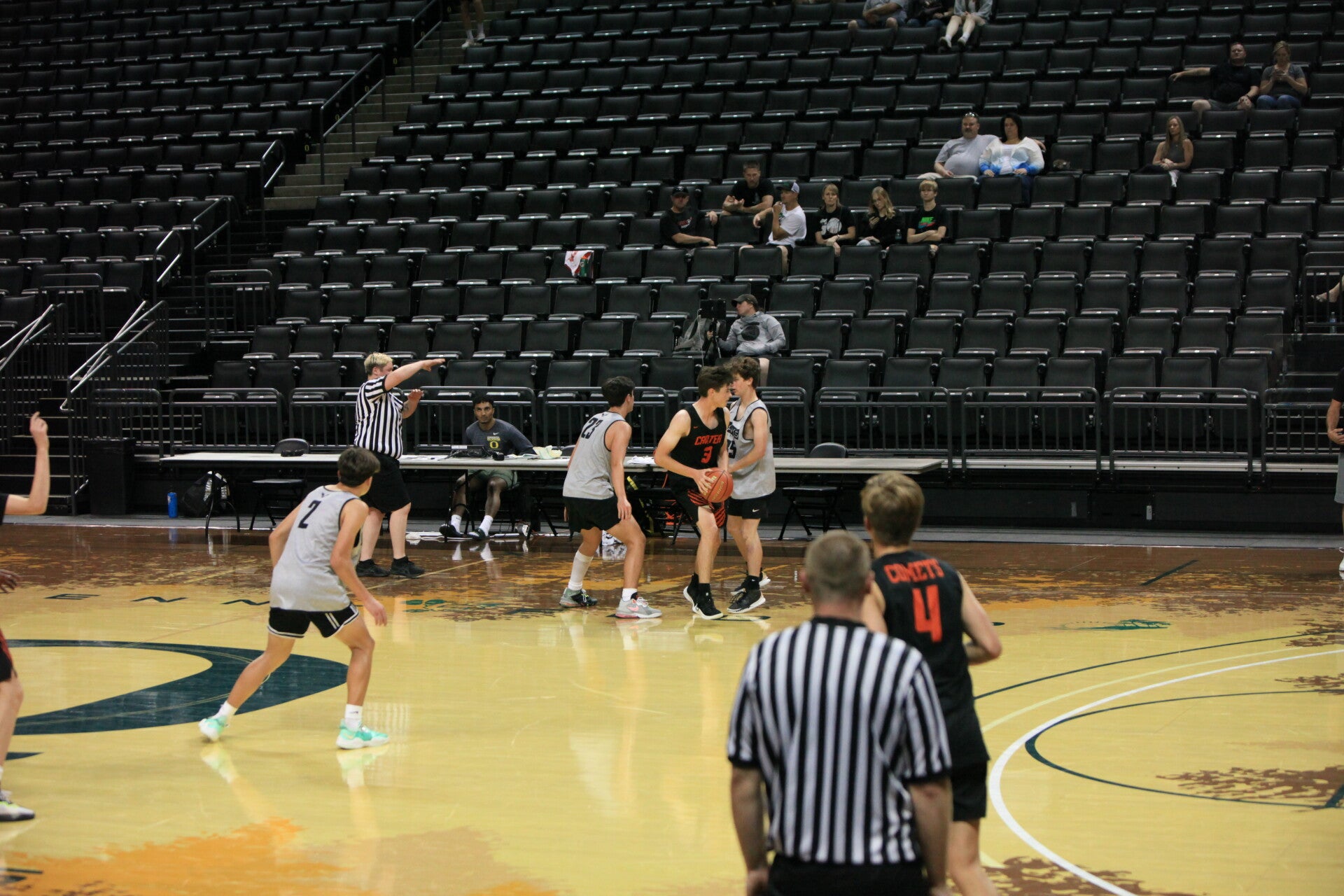
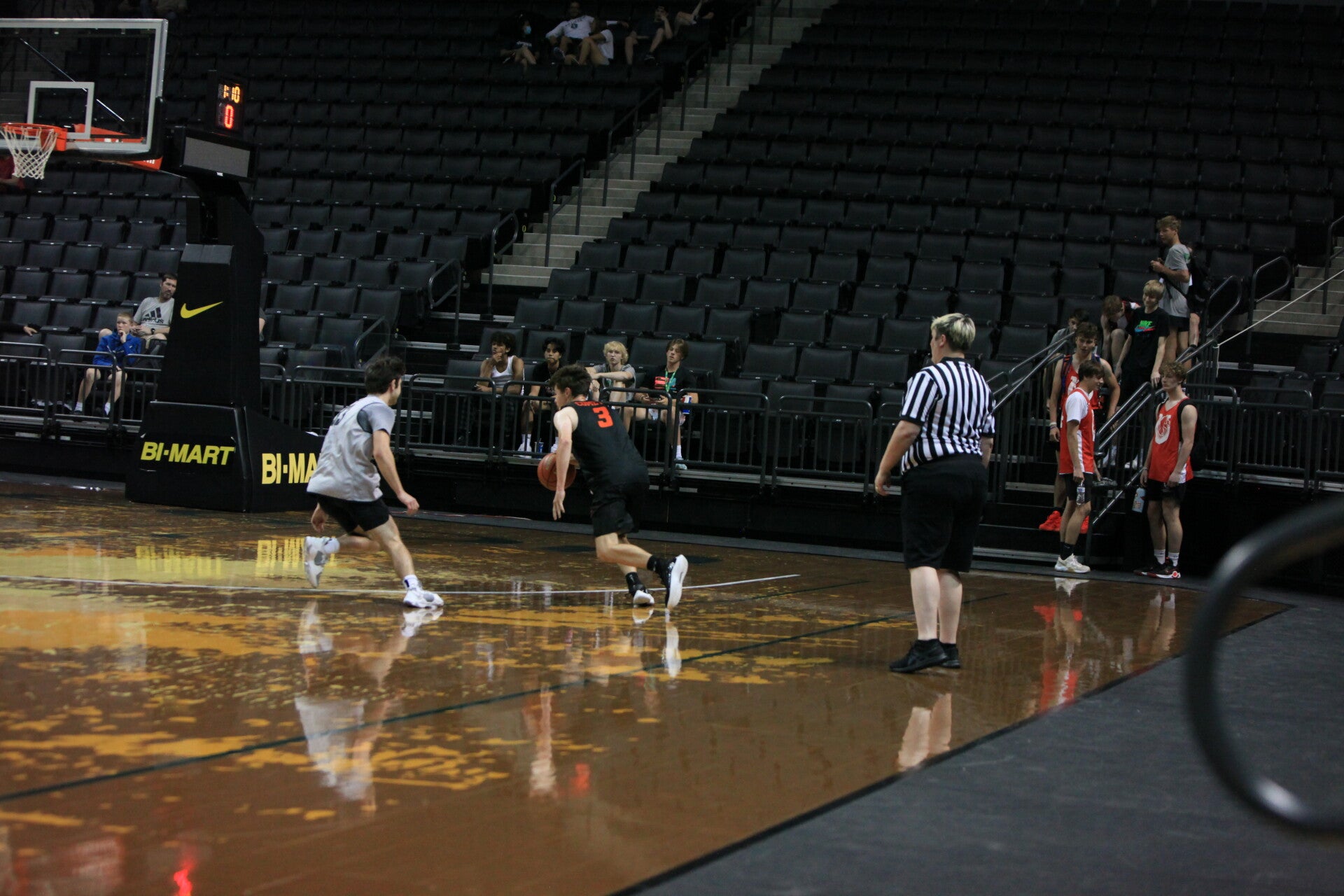
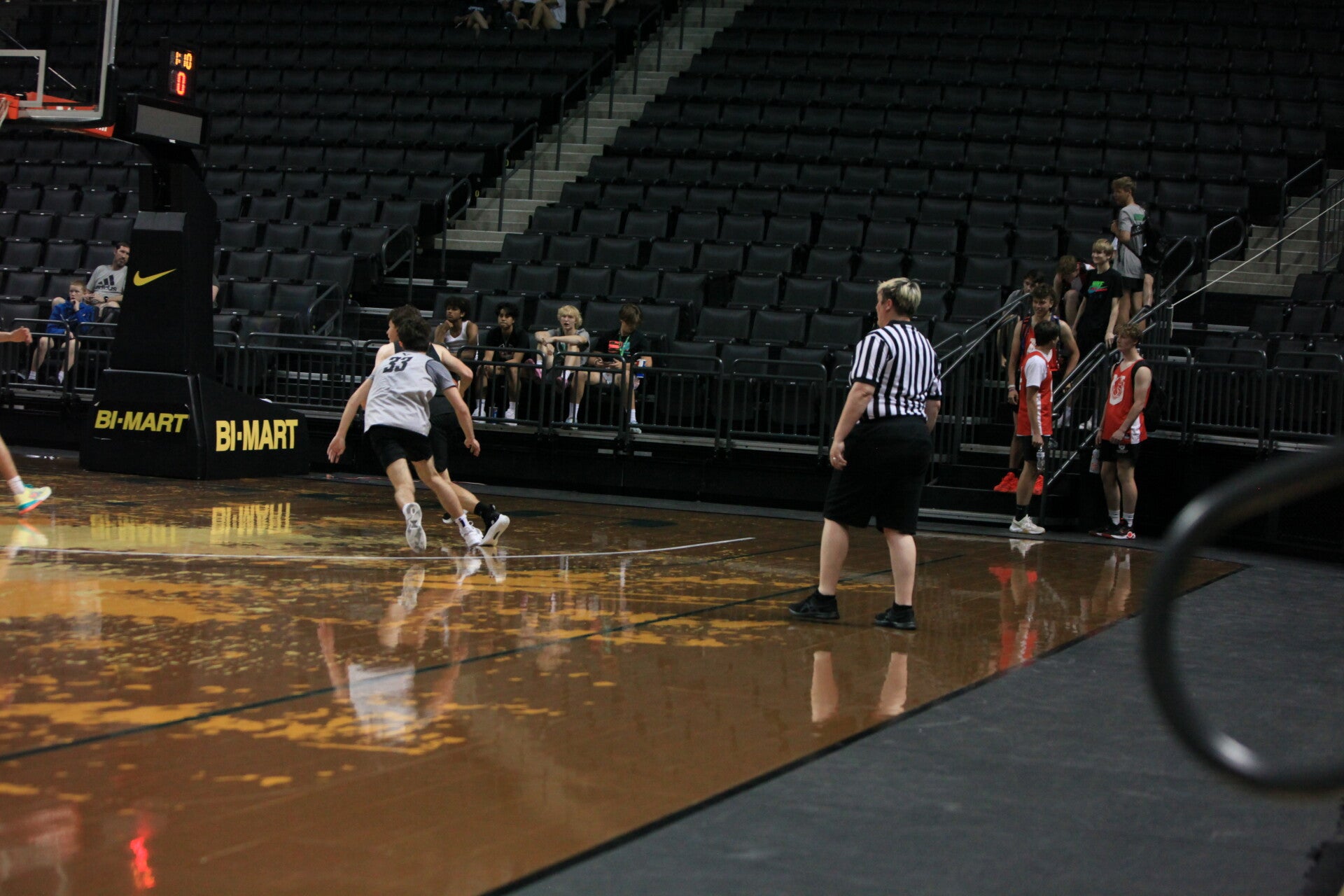
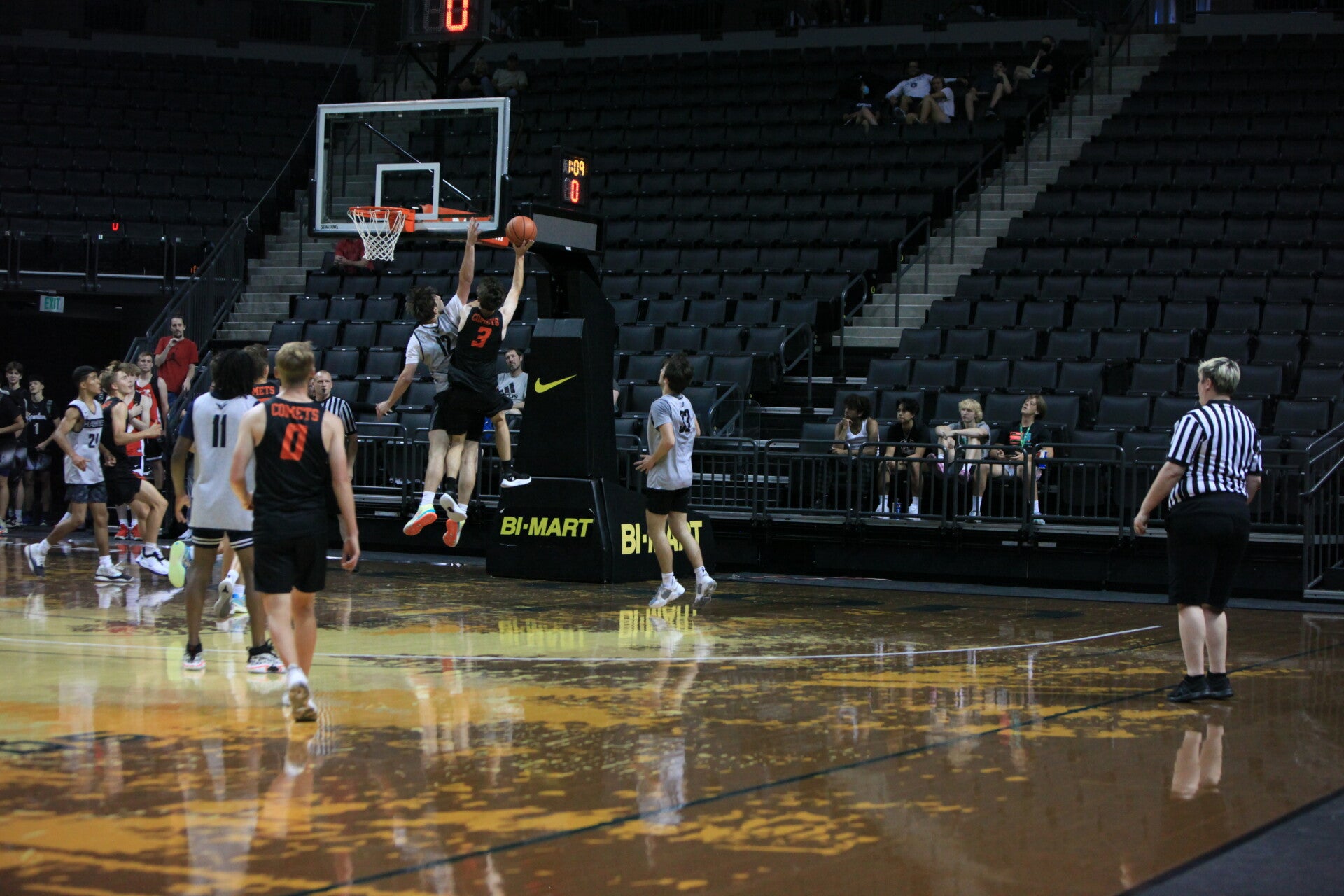
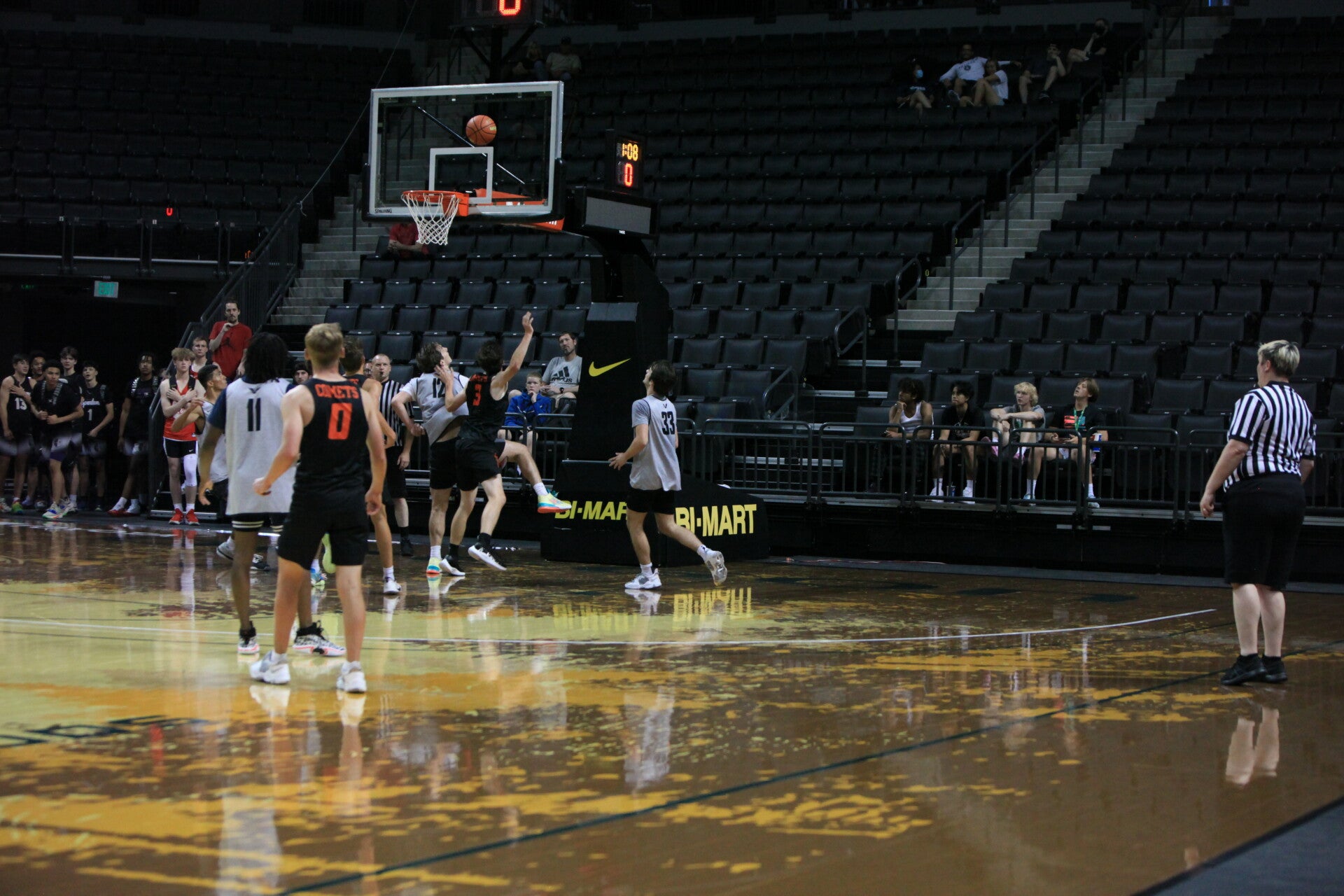
Working at camps, participating in summer leagues, or officiating youth basketball from 5th grade and up provides an excellent opportunity to engage with student-athletes, coaches, and other officials in a low-pressure environment. These moments aren't solely about enhancing skills on the court; they’re about setting the tone for the upcoming season.
I've had coaches and players reference how I managed situations over the summer, even months later. Being visible demonstrates your commitment and builds what I refer to as “sweat equity members”—players, coaches, and parents who recognize your effort and respect your hard work.
Sometimes people ask me, “Why don’t I see other referees here?” The answer is straightforward: those moments are strategic. Showing up consistently, demonstrating professionalism, and interacting positively establishes credibility before the first varsity whistle blows. That respect carries through the entire season.
The “Big Camp” vs. “Local Camp” Debate
-
Big College Camps
-
Pros: Highly structured, exposure to like-minded officials, top-tier staff, often with video review.
-
Cons: Expensive ($400–$500+), more travel, less personal attention.
-
-
Local High School Camps
-
Pros: Usually more affordable, staff are often your local evaluators, and personal feedback is immediate.
-
Cons: May lack advanced technology or formal structure, and a smaller variety of perspectives.
-
Both types are valuable. The key is choosing a camp aligned with your goals, whether it’s mechanics, positioning, crew leadership, or preparing for pressure games.
Why Referees Still Complain About Big Games
Some refs avoid camps but still get assigned “pressure games” and then complain when the energy in the gym spikes, or when rotation mistakes happen.
Here’s the truth: attending camp doesn’t guarantee a big-game assignment, and it doesn’t give you immunity from criticism. But it gives you preparation, confidence, and credibility—all things that reduce mistakes and help you handle pressure gracefully.
Those who skip camp often realize too late that experience alone isn’t enough when faced with high-intensity situations.
Psychological Insights
Sports psychologists highlight a few key reasons for these tendencies:
1. Avoidance behavior – Some refs see camp as stressful or costly and avoid it, but this avoidance creates a skill gap that becomes obvious under pressure.
2, Social proof & confidence – Being around like-minded officials builds confidence and reinforces proper mechanics and communication strategies.
3. Immediate feedback retention – Humans learn faster when corrected on the spot (video replay or evaluator feedback). Summer camp accelerates that learning curve in a safe environment.
The Bottom Line
Camps are not for everyone. Some refs are financially constrained, others need a real vacation, and some simply don’t like being corrected in front of peers.
But here’s my takeaway from decades of officiating (and yes, some creative stories thrown in):
-
Every camp I’ve attended made me a better official.
-
Transparency with assigners builds trust.
-
Investment in yourself pays off—both in mechanics and game confidence.
-
Camps force learning under pressure without the chaos of a live game.
If you commit to it, even for just a few days, camps matter. They teach you how to watch film, how to communicate, how to adjust to crew dynamics, and most importantly—how to handle pressure with poise.
As I always say: the sooner you invest in yourself, the longer you’ll stay on the court—and the more enjoyable those pressure games become.
If you have a topic you'd like us to cover, or if you're interested in writing for us, please contact us at sarge@coracademyofficiating.com


































Add comment
Comments